Get Full Government Meeting Transcripts, Videos, & Alerts Forever!
Get email alerts on the Hate Crimes topic
No spam. Unsubscribe anytime.
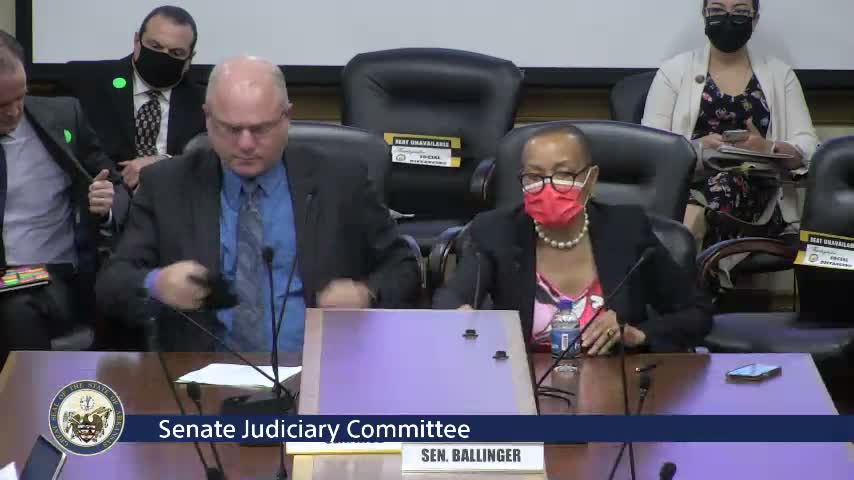
Senate Judiciary Committee hears hours of testimony on hate‑crimes bill; "do not pass" motion fails
Summary
After a full hearing with clergy, civil‑liberties groups and survivors advocating on both sides, the Judiciary Committee declined to adopt a "do not pass" recommendation on Senate Bill 3 following a roll‑call vote, leaving the bill alive for further consideration.
The Senate Judiciary Committee on Wednesday heard hours of testimony on Senate Bill 3, a proposed hate‑crime enhancement measure, and declined to adopt a committee recommendation to reject the bill.
Senator Jim Hendren, the bill’s sponsor, said SB3 would not create new crimes but would add a sentencing enhancement and reporting requirements for bias‑motivated offenses. "This bill does the best that, I think we can to pass something that sends the message," Hendren told the committee, describing language modeled on recently adopted laws in Utah and Georgia.
Co‑sponsor Senator Joyce Elliott framed the legislation as an effort to address documented patterns of bias‑motivated crime: she cited FBI data and said the bill would allow enhanced penalties after a finding of guilt and require the attorney general to collect and publish reports. "We need to name who we're talking about," Elliott said, arguing that identifying targeted groups clarifies enforcement and data collection.
The hearing drew competing testimony. Dr. Mark Dimas, identified as representing a coalition of clergy, urged passage, saying faith leaders had submitted a statement in support and that the bill would be "robust, specific, and meaningful." "Respectfully then, we ask you to pass robust, specific, and meaningful hate crime legislation, that is SB 3," he said.
Opponents pressed constitutional and practical concerns. Jerry Cox, director of Family Council, warned the measure could open the door to intrusive investigations and "thought policing," and argued existing criminal statutes and sentencing ranges could be used or strengthened instead. "They do open the door for thought policing," Cox told the committee. Municipal officials, represented earlier by John Wilkerson of the Municipal League, said they feared the bill’s real‑world effects and raised questions about local public‑safety impacts.
Sky Brower of the Arkansas Peace and Justice Memorial Movement described historic local incidents and urged the committee to give SB3 "a fair shot," noting the measure includes protections against conviction based solely on association or ideology and creates safeguards against frivolous prosecutions.
After public testimony and sponsor closing remarks, Senator Garner moved that the committee recommend "do not pass." The motion was seconded and taken to a roll call. The roll‑call record as read into the record shows mixed positions (for example, Senator Hendren recorded "No," Senator Rice "No," while Senators Stubblefield, Garner, Ballinger and Flowers recorded "Yes"). The committee’s final procedural line in the record was "Motion fails," indicating the "do not pass" motion did not carry on roll call and the committee did not send a do‑not‑pass recommendation to the full Senate at that time. The transcript does not record a final committee recommendation to pass the bill.
The bill’s supporters said more work remains to secure bipartisan support and refine language; opponents urged caution about unintended consequences and constitutional limits. The committee set remaining business for its next meeting.
What happens next: Because the committee did not report a do‑not‑pass recommendation, SB3 remains pending and could be amended or returned to calendar for further action. The committee record does not show final passage or defeat.