Get Full Government Meeting Transcripts, Videos, & Alerts Forever!
Get email alerts on the Public Records topic
No spam. Unsubscribe anytime.
Committee approves FOIA changes to limit burdensome requests for body‑cam and 911 media
Summary
SB 346 would allow limited free processing time for audio/video FOIA requests (three free hours; charges thereafter) and restrict repeat free requests within 30 days, with supporters saying it protects law‑enforcement resources while preserving transparency.
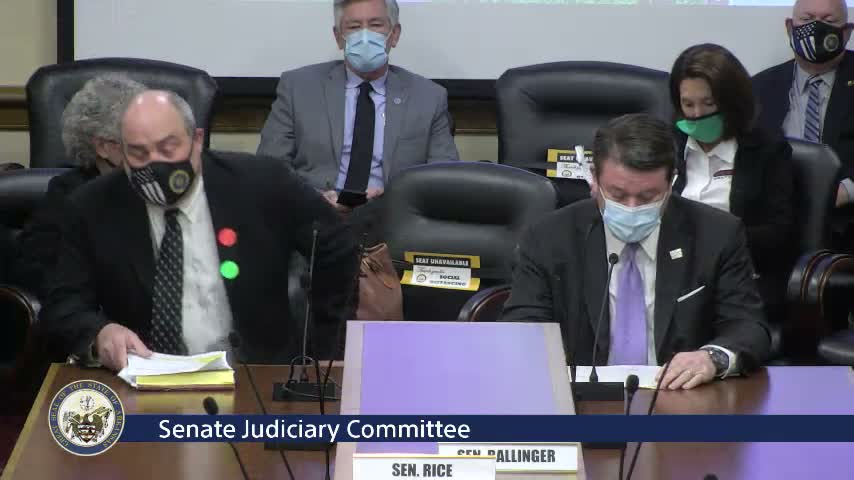
The Judiciary Committee approved SB 346, a bill intended to reduce burdensome FOIA demands for audio and audiovisual media collected by law enforcement, 911 centers and jails.
Sponsor Sen. Rapert and stakeholders told the committee that unbounded requests for body‑cam footage, dispatch audio and jail video can consume hours of personnel time for redaction and preparation and in some cases have delayed agencies’ ability to roll out body cameras. Mark Whitmore of the Association of Arkansas Counties said the bill would allow three hours of personnel and equipment time to be provided free of charge (aside from media reproduction costs such as flash drives); requests exceeding three hours could be assessed for personnel and equipment time. The bill also includes a 30‑day rule: when a requester seeks the same material again within 30 days they will not receive another three free hours.
Witnesses from sheriff offices, 911 boards and chiefs of police testified in support, saying the change would curb repeated and overly broad requests — for example, repeated requests for 24 hours of jail footage or months of dispatch audio — that take staff off public safety duties. Tim Heller, a county sheriff, told the committee his office handled hundreds of FOI requests in a year and that review and redaction duties were already occupying dedicated staff time.
Supporters said the bill was the product of FOIA task force discussions and had buy‑in from press and law‑enforcement stakeholders; committee members asked clarifying questions about how frequently the free hours reset and about protections for news media and public interest requests. The committee adopted the amendment and moved the bill forward by voice vote.