Lifetime Citizen Portal Access — AI Briefings, Alerts & Unlimited Follows
Committee rejects repeal of juvenile fines and fees after judges warn of lost diversion funding
Loading...
Summary
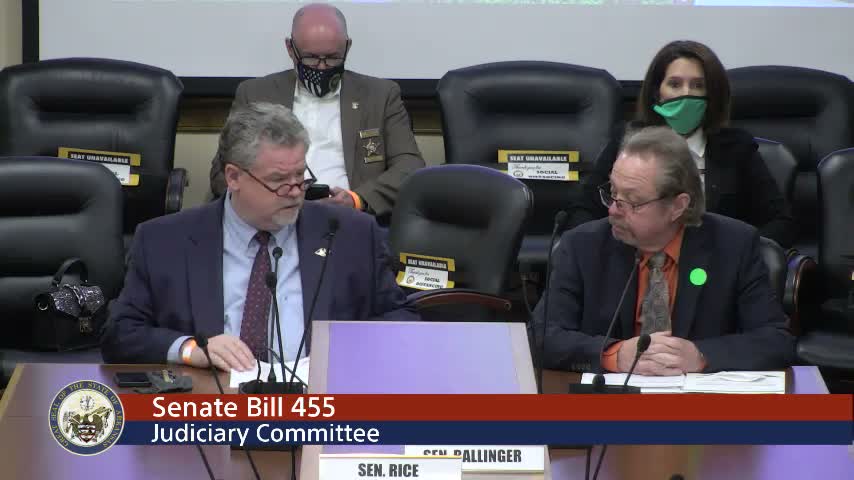
SB 455, proposing to repeal several juvenile fines and fees, failed in committee after juvenile court judges warned the measure could eliminate local funding used to run diversion and rehabilitative programs and no statewide fiscal accounting was available.
Sen. Clark’s proposal to repeal delinquency, truancy and DNA fines and several fees (SB 455) drew extended debate in the Senate Judiciary Committee and ultimately failed to pass. Supporters described the fines and fees as punitive and counterproductive, contending they can impede rehabilitation and often are not collected. Bill proponents tied the measure to prior juvenile justice reform and urged using community‑based alternatives rather than monetary penalties.
Juvenile judges and local court officials mounted a string of objections focused on fiscal and programmatic impacts. Judge Troy Braswell, who chairs juvenile reform efforts in his district, said the reduction in youth commitments reflects targeted reform work and warned that eliminating fines and fees could “undo” local progress. Braswell provided county examples of revenue that support diversion and community programs—saying Faulkner County previously brought in about $147,000 annually from fines and fees and now collects about $34,000, and citing an $8,000 figure for another county—arguing those dollars fund probation officers, diversion programming and other local services.
Committee members repeatedly asked for a precise statewide fiscal impact; sponsors acknowledged they had not been able to compile comprehensive statewide collection data and said the Administrative Office of the Courts does not track it. Supporters and sponsors said they sought additional testimony from judges to clarify where funds are spent and whether alternatives to fines could substitute.
The committee allowed judges, public defenders and court staff to testify. Greg Parrish of the Arkansas Public Defender Commission cautioned the bill could have unintended consequences in adult circuit dockets and might conflict with indigency determinations in some cases. Former Speaker Bill Stovall (presenting for sponsors) said the sponsors had made efforts to get data but received limited responses from courts.
After extended questioning on fiscal effects and policy trade‑offs, the committee voted and the motion to pass SB 455 failed.