Get Full Government Meeting Transcripts, Videos, & Alerts Forever!
Get email alerts on the Police Accountability And Oversight topic
No spam. Unsubscribe anytime.
Urban League, NAACP and ACLU press committee for data, oversight and complaint channels
Summary
Community groups urged the Judiciary Committee to require standardized data collection on use of force, expand complaint channels to a statewide standards board, and consider reforms including changes to qualified immunity and stronger decertification access for civilians.
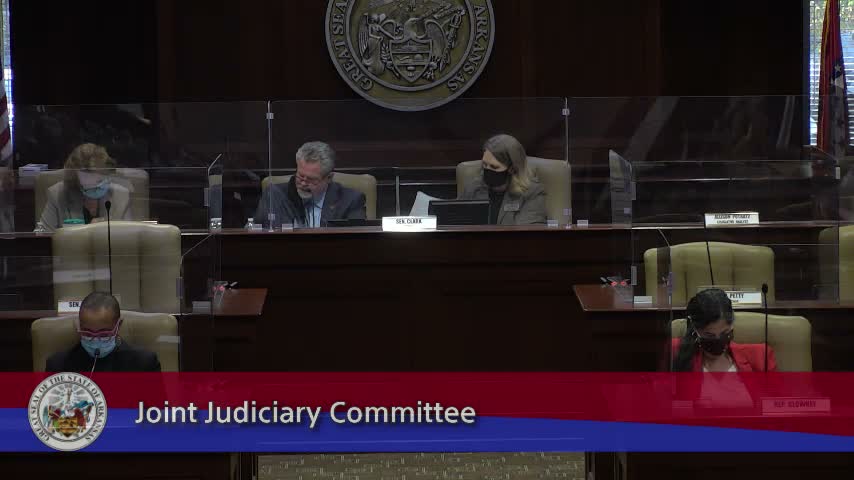
Representatives of civil‑rights and community organizations told the Senate Judiciary Committee that systemic reforms are needed to rebuild trust between communities and law enforcement.
Scott Hamilton, CEO of the Arkansas Urban League, urged legislators to host regular virtual town halls and said officials should maintain ongoing conversations in their districts. "These conversations are important...when you begin to hear the challenges that are out there, the concerns, that's where we have resolved," Hamilton said.
Natalie James and Rizzelle Aaron of local advocacy groups described community distrust, inconsistent policing across neighborhoods and the need for transparent complaint mechanisms. Aaron proposed stricter hiring standards, regular psychological evaluations and penalties for officers when misconduct is proven. Holly Dixon of the ACLU repeated the group's call for a statewide standards board to accept complaints from the public, at least for fatalities and major abuses: "Almost every profession in this state has a standards board to whom the public can complain...the commission on law enforcement standards and training does not," she said.
Debate points: Witnesses and some legislators discussed qualified immunity. Community witnesses argued it shields officers from individual accountability and recommended reforms or graduated sanctions; sheriffs and chiefs warned that removing protections without careful design could worsen recruitment and retention.
Next steps: Panelists urged consistent data collection (use of force reporting via an FBI or state portal), expanded access to decertification channels for citizens, and targeted funding to help small agencies adopt bodycams and training. The committee said it would gather more information from agencies and stakeholders before considering statutory changes.
Ending: No vote or legislative text was adopted; the committee closed after hearing testimony and committed to follow up.