Get Full Government Meeting Transcripts, Videos, & Alerts Forever!
Get email alerts on the Sb 541 Sermon Subpoena Protection topic
No spam. Unsubscribe anytime.
Senate committee advances law to limit subpoenas of sermons in civil cases; critics warn about scope
Summary
SB 541 would bar state or local civil subpoenas for sermons or religious works except for terrorism-related investigations; sponsors say it protects free exercise, while critics and some senators warned definitions could be abused; committee passed the bill by a 5–3 roll call.
Senator Centra Garner told the Senate Judiciary Committee that SB 541 would prevent state or local civil subpoenas of sermons and similar religious works, citing a Texas episode in which local authorities sought pastors' sermons as an intimidation tactic. "This will prevent a religious leader... from having to produce their sermons or other religious works or testify on their sermons or other religious works in a civil action," Garner said.
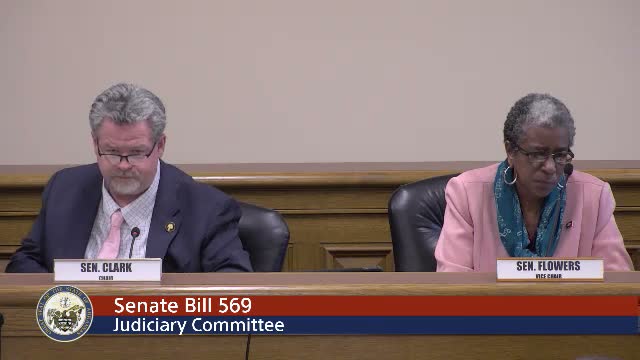
Senator Flowers and others pressed the sponsor on definitions and limits. "Who gets to decide who's a minister... and who gets to decide whether it's a religion?" Flowers asked, noting concerns about storefront churches and opportunistic organizations. Garner responded the bill limits qualifying organizations to those that meet state or federal tax law definitions and said courts could use evidence to determine whether a person is acting as a religious leader.
Senator Bond asked whether Arkansas had a history of such subpoenas; Garner said he knew of no Arkansas case but cited events in Houston as the impetus. The sponsor emphasized the bill applies only to civil matters and excludes terrorism-related proceedings.
The committee approved SB 541 by roll call, recorded as 5–3 in favor. The sponsor and supporters said the bill aims to protect religious speech from chilling civil discovery; opponents warned the statutory definitions may be overbroad and suggested edge cases could arise where criminal investigations or harmful organizations would need evidence.