Get Full Government Meeting Transcripts, Videos, & Alerts Forever!
Get email alerts on the Adoption Policy topic
No spam. Unsubscribe anytime.
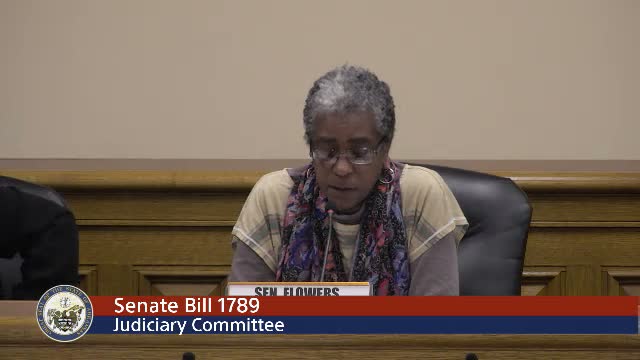
Senate Judiciary Committee declines adoption bill after hours of testimony from attorneys, agencies and advocates
Summary
After several hours of testimony from adoption attorneys, agency representatives and supporters, the Judiciary Committee failed to advance House Bill 17-89, a measure aimed at tightening rules and penalties around certain adoptions the sponsor said target trafficking and ‘‘problematic’’ placements affecting Marshallese and other vulnerable populations.
The Senate Judiciary Committee on [date not specified] voted down House Bill 17-89 after extended testimony from legal and adoption-community witnesses and a contested roll call. Proponents said the bill strengthens protections against trafficking and increases transparency in some adoption placements; opponents argued it would unintentionally chill routine, lawful adoptions.
Attorney John Tribble of Little Rock told the committee the bill risks ‘‘punishing 90% or more of adoptions’’ to address problems caused by a small subset of cases, and warned the measure would strain the traditional cooperative relationship among birth parents, adoptive parents and agencies. ‘‘This bill . . . makes that relationship strained and causes more of an adversarial nature to adoption,’’ he said (John Tribble, attorney).
Candy Cox, founder of Abba Adoption, told the panel that civil penalties and a new broadly defined category of reimbursable expenses could discourage agencies and attorneys from assisting adoptive parents. She said the bill’s requirement that an attorney or licensed-placement agency ‘‘assist’’ a birth parent in revoking consent is vague and could force agencies outside their child-welfare duties. ‘‘What does that ‘shall assist’ mean? Am I to provide transportation?’’ Cox asked, noting judges already assess the reasonableness of expenses under current law.
Kaye McLeod, a family-law practitioner and founding fellow of the American Academy of Adoption Attorneys, said the Arkansas Bar Association opposes the bill as overreaching. She emphasized practical burdens—difficulty finding notaries at odd hours, increased civil and criminal liability for good-faith assistance to birth parents and adoptive parents, and limits on attorney practice that could raise separation-of-powers concerns. ‘‘This is a bill intended to curtail Marshallese adoptions . . . and it adversely impacts the overall number of adoptions throughout the rest of the state,’’ McLeod said.
Supporters framed the bill as a response to documented problems in certain counties and as an anti-trafficking measure. Jeff Williams, a citizen proponent involved in drafting the legislation, described meetings with circuit judges who shared concerns about disproportionate rates of adoption activity in localized populations, and cited recent arrests related to adoption practices. Sponsor counsel Josh Bryant summarized four aims: criminalize trafficking, tighten residency statements in consent forms, require greater transparency for payments, and require practitioners to disclose conflicts of interest.
A motion to report the bill ‘do pass’ was moved and seconded and a roll call was requested. The record shows disagreement and some confusion over the numeric tally in committee; the transcript records the clerk and chair concluding that the bill ‘‘fell’’ on the vote. The committee did not adopt the measure.
What happens next: With the committee voting not to advance the bill, the sponsor may seek to rework language addressing prosecutors’ and judges’ concerns about trafficking, clarify civil-penalty thresholds, and narrow operational requirements for agencies and attorneys before attempting another committee hearing.
Speakers quoted above are from the committee transcript and identified at the time they spoke.