Get Full Government Meeting Transcripts, Videos, & Alerts Forever!
Get email alerts on the Alimony Reform topic
No spam. Unsubscribe anytime.
Restorative-alimony proposal fails in Senate Judiciary Committee after equity concerns
Summary
Senate Bill 496, which would have introduced percentage-based "restorative alimony" guidelines and a limited term, failed in committee after members argued it would undermine established equitable alimony principles; opponents urged no vote, saying fixed percentages are inappropriate for long marriages.
Senator Ballinger presented SB496 to transition certain alimony awards to a restorative model with specified percentage guidelines and a three-year baseline term. Ballinger said the measure was intended as a "small smooth transition" toward restorative alimony and that the bill includes a mechanism for courts to make specific findings to depart from the guidelines.
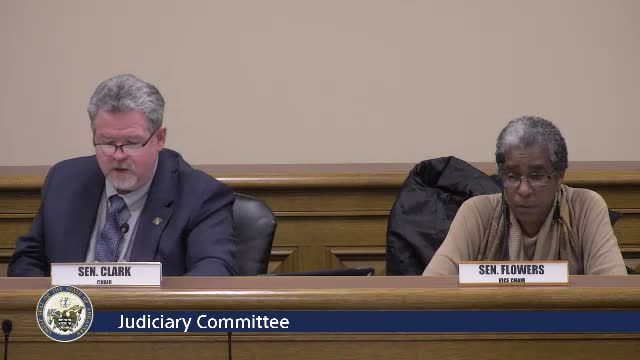
Senator Flowers objected strongly, saying the fixed percentages "throw out" Arkansas's equitable principles in marriage and divorce and that the bill would be unfair to spouses who were homemakers over long marriages. "I just think it's wrong for us to throw all of Arkansas's equitable laws out," Flowers said repeatedly during the debate. Ballinger replied that a court making "specific findings" could overcome the guidelines and that the rules were therefore not absolute.
After extended questioning and an opportunity for anyone opposed to speak, the committee voted. The motion to pass failed; the chair announced "The motion fails" and informed Senator Ballinger that the bill did not pass out of committee. The transcript records several members asserting that existing equitable standards should remain intact and that the change would allow petitions that could affect many existing awards if courts interpreted the change as material change in circumstances.