Get Full Government Meeting Transcripts, Videos, & Alerts Forever!
Get email alerts on the Criminal Justice topic
No spam. Unsubscribe anytime.
Sen. Elliott’s sentencing-equity bill prompts data review as prosecutors warn against undoing jury verdicts
Summary
Sen. Joyce Elliott introduced SB 378 to reduce disparities between long 1990s drug sentences and shorter post-2011 terms; proponents cited case examples and cost-savings while prosecutors urged caution, citing plea deals and jury determinations and asking the committee to review case files before any retroactive relief.
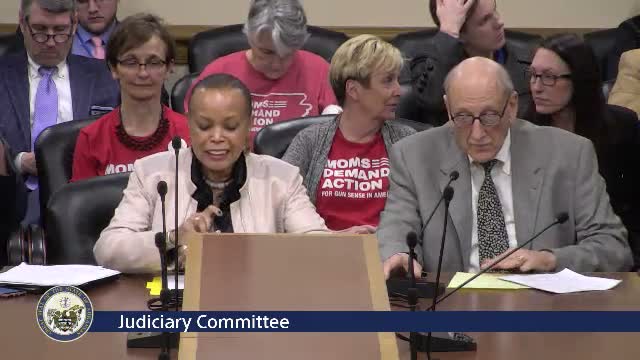
Sen. Joyce Elliott told the Senate Judiciary Committee she brought SB 378 to “try to bring some equity in sentencing,” arguing that drug sentences imposed in the 1990s were far longer than those applied after sentencing reforms in 2011 and that some people are serving punishments the legislature would not impose today.
Attorney Larry Froelich, testifying in support, cited specific examples to illustrate his point, saying, “we spent as of last year $596,000 punishing him for a hundred dollar offense,” and that similar cases have produced decades-long sentences that now look disproportionate. Froelich said he identified about 95 inmates who might benefit from the proposed change.
Prosecutors objected to retroactive reductions during committee testimony. Tom Tatum and others said some entries on the list were the result of jury verdicts or plea negotiations that reflected community judgment at the time; Tatum warned that revisiting those outcomes risks undoing jury determinations and that some defendants already faced other serious charges. "A jury had the option ... They could have given him 10 years," Tatum said of one case on the list, "but they heard all the facts ... and in their community, they felt like his punishment should have been 65 years."
Committee members pressed for specificity. Senators asked prosecutors to “pull the jackets” — obtain case files for the about 85–95 people identified — so the committee can determine how many individuals would actually see earlier release given concurrent or consecutive non-drug sentences, parole eligibility, and other complicating factors. Senator Elliott agreed to delay further action and "draw the bill down" pending that review.
The committee discussion distinguished between reducing a drug sentence and changing unrelated convictions: proponents stressed the bill would only reduce the drug portion of a sentence while critics pointed out that other concurrent sentences (murder, arson, burglary) would remain unaffected.
Next steps: prosecutors agreed to attempt an expedited review and to report back (committee members suggested a one- to two-week timeframe). The committee did not vote on SB 378; senators said they want verified case-by-case information before advancing the bill.