Get Full Government Meeting Transcripts, Videos, & Alerts Forever!
Get email alerts on the Occupational Licensing topic
No spam. Unsubscribe anytime.
Senate committee hears bill from red‑tape task force to standardize licensing disqualifiers and create waiver process
Summary
Senate Bill 451, originating from the governor's Red Tape Reduction Task Force and presented with AG's office support, would define disqualifying criminal-history factors for Title 17 occupational licenses and create a five-year waiver pathway for rehabilitated applicants; committee adopted an amendment clarifying grandfathering and exclusions.
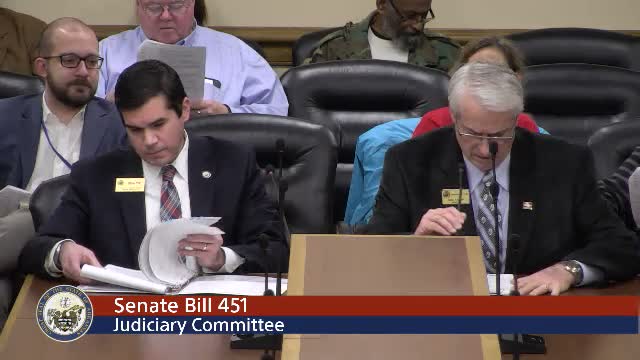
Senate Bill 451, sponsored in committee by Senator Cooper, was presented as a fulfillment of recommendations from the governor's Red Tape Reduction Task Force. Counsel from the Attorney General's Office said the bill "originates back under the red tape reduction task force" and aims to standardize how licensing boards treat criminal-history disqualifiers and to set out a waiver process.
The AG's counsel told the committee the draft mirrors language already used by boards such as the nursing and pharmacy boards for felony offenses that would pose dangers to public health and safety, but it also provides a method for boards to consider factors such as the applicant's age at the time of the offense, time since the offense, and subsequent work history. "After 5 years, if that person had essentially proven that they were now rehabilitated, that they could so certain offenses could be waived and they could receive their license," the counsel said.
An amendment the committee discussed would grandfather current licensees unless they allowed their licenses to lapse, clarify when the five-year rehabilitation clock begins (conviction/incarceration/probation end), and explicitly exclude some State Police licensees because of the specificity required for those duties. Committee members agreed to pull a cleanup amendment, refine it, and bring it back for adoption later.
What happens next: The committee adopted an initial amendment by voice vote to permit discussion and agreed to finalize a secondary amendment before taking a final recorded vote; the bill at present applies to Title 17 occupations and does not extend to state police or education licensure.