Get Full Government Meeting Transcripts, Videos, & Alerts Forever!
Get email alerts on the Alimony Reform topic
No spam. Unsubscribe anytime.
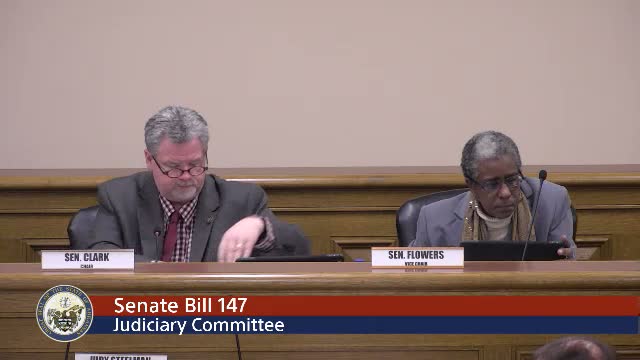
Senate panel advances SB 147 to establish 'restorative' alimony limits with judicial exceptions
Summary
SB 147 would transition spousal support toward a restorative model—generally limiting awards to three years and capping payments at 20% of income unless the court makes specific findings to extend or increase awards; the Judiciary Committee passed the bill after extended debate over judicial flexibility and petition timing.
The Senate Judiciary Committee voted to advance SB 147, legislation that would reshape alimony in Arkansas toward a stated goal of 'restorative' or rehabilitative support.
Sponsor Senator Ballinger framed the bill as the culmination of work stretching back to 2011. He said the bill's intent is to award alimony "with the intent that whoever's receiving the alimony would get to the point where they would be able to self sustain, take care of themselves over time." Under the draft language discussed in committee, most alimony awards would be limited to a three‑year period and payments generally would not exceed 20% of the payer's total income, though judges could make specific findings to extend duration or increase amounts in unique circumstances.
Committee members pressed the sponsor on where the percentages originated and whether the measure limits judicial discretion to modify awards later. Ballinger told the committee the numbers have been used previously in related proposals and that the Judicial Council helped draft language to preserve flexibility; he pointed to statutory wording requiring 'specific findings' if a court is to award more than the standard terms.
Senator Flowers and others warned the bill could unduly constrain modification petitions and tied hands of judges when unforeseen events (for example, a medical emergency) arise late in the award period. Sponsor and supporters said the bill includes exceptions and a six‑month petition window to seek extension, and that if a material change occurs it could still be addressed under the specific‑findings language.
After debate and a motion for immediate consideration, the committee approved the bill by voice vote. Committee members did not record a roll‑call tally in the hearing transcript. The bill now proceeds from committee with judicial‑flexibility language and a three‑year restorative‑alimony framework as described in committee discussion.