Get Full Government Meeting Transcripts, Videos, & Alerts Forever!
Get email alerts on the Sex Offender Registry topic
No spam. Unsubscribe anytime.
Committee flags polygraph requirement in registry-reassessment bill, schedules follow-up
Summary
Senate Bill 206 (amended) passed its amendment but drew sustained opposition over a provision requiring a polygraph as part of reassessments for offenders seeking removal from the registry. Defense attorneys warned that mandated polygraphs would introduce inadmissible evidence into court filings; prosecutors say the test is a tool used in assessments and judges retain discretion.
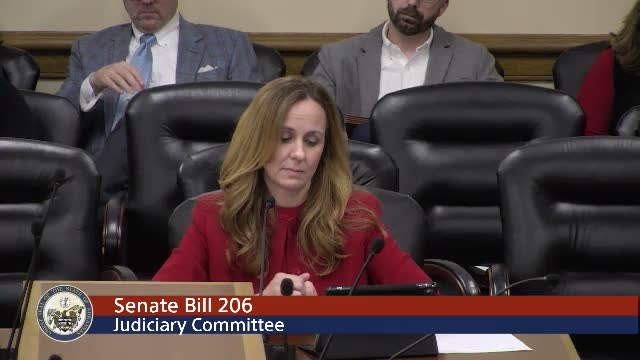
Senate Bill 206, presented in the Senate Judiciary Committee as a measure to create procedural standards for reassessing an offender's eligibility to terminate registration obligations, prompted extended debate after the bill's reassessment subsection was amended to require a polygraph exam as part of the reassessment process.
Defense witnesses from the Arkansas Association of Criminal Defense Lawyers strongly opposed the "shall include a polygraph test" language. Jeff Rosenzweig told the committee that requiring a statutorily mandated polygraph that will be transmitted to a court risks creating a literal contradiction with existing evidentiary rules; "polygraph results are inadmissible," he said, and making the test mandatory for court submissions "creates a contradiction in the law." Jeff Wenkel (Wong) added that including such a requirement could be an obstacle at later stages of an appeal.
Senators asked whether the polygraph is currently used; the defense said polygraphs are sometimes used administratively by assessors but are treated as unreliable and generally inadmissible in court. Prosecutorial and assessment witnesses including Deputy Prosecutor Laurie Kimpuras explained that the Department of Correction's screening and risk-assessment program uses polygraph exams as one tool, typically within assessment regulation. Kimpuras said the proposed statutory change would make reassessment results, including polygraph output, part of the record that goes to a judge deciding whether to remove an individual from the registry. She emphasized the statute would not require a defendant to "pass" a polygraph to be removed but would mandate a reassessment that includes a polygraph exam in some cases.
Defense counsel argued the bill should leave the polygraph as optional language ("may include") rather than mandatory ("shall include"), preserving current practice and avoiding a conflict with rules that render polygraph results inadmissible in many judicial proceedings. Committee members asked technical and constitutional questions, including whether compelled statements could be used; counsel replied reassessment statements are often granted limited use immunity, but making a polygraph mandatory raises concerns.
Given the technical concerns and the absence of some probation/assessment officials, the committee requested that Senator Irvin bring representatives of the offender assessment and probation offices to a follow-up hearing (tentatively next Wednesday at 10 a.m.) so the panel can better understand assessment practices and the intended role of polygraphs. The committee adopted a non-substantive time amendment and otherwise left the reassessment provision flagged for further review; the sponsor said she would try to provide the requested witnesses.