Get Full Government Meeting Transcripts, Videos, & Alerts Forever!
Committee advances bill to carve out narrow 'Romeo and Juliet' defense to registration
Summary
SB 351 would create a prospective defense to sex‑offender registration for narrowly defined consensual juvenile/age‑gap cases and is explicit about non‑retroactivity; the committee passed it after expert testimony from the Arkansas Crime Information Center.
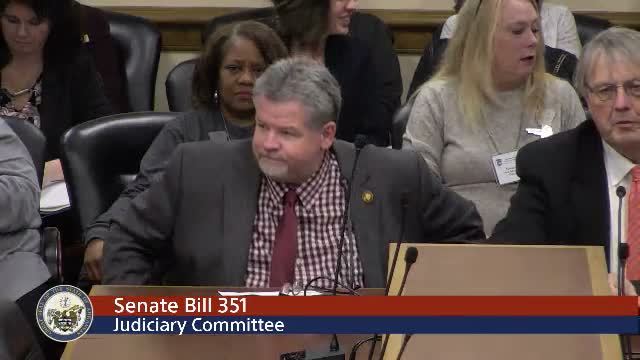
The Senate Judiciary Committee advanced SB 351 after testimony from the Arkansas Crime Information Center about a narrowly drawn 'Romeo and Juliet' protection.
Brad Kuzort, director of the Arkansas Crime Information Center, told the committee the bill would "codify a definition for a Romeo and Juliet crime" and explained the draft limits the defense to cases where the…
Already have an account? Log in
Subscribe to keep reading
Unlock the rest of this article — and every article on Citizen Portal.
- Unlimited articles
- AI-powered breakdowns of topics, speakers, decisions, and budgets
- Instant alerts when your location has a new meeting
- Follow topics and more locations
- 1,000 AI Insights / month, plus AI Chat