Get Full Government Meeting Transcripts, Videos, & Alerts Forever!
Get email alerts on the Criminal Law topic
No spam. Unsubscribe anytime.
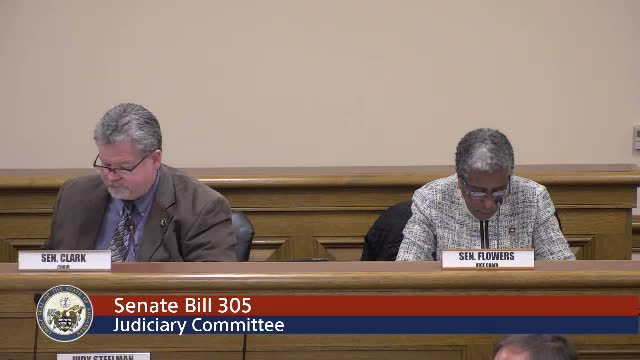
Panel votes to add “chest” to aggravated-assault statutes to cover chest-strangulation claims
Summary
A bill adding the word “chest” to aggravated-assault statutes passed committee after sponsors said the change closes a gap where chest pressure can impede breathing. Senators questioned intent standards and possible misuse but supporters said mental-state thresholds protect against accidental prosecution.
The Senate Judiciary Committee approved legislation to add the word "chest" to Arkansas’ aggravated-assault statutes and to the aggravated-assault-on-a-family-member provisions, a change sponsors said closes a gap in current law when pressure on the chest, not just the neck, impedes respiration.
Sponsor (listed in the hearing as speaker 18) said the amendment responds to a city attorney's concern and cited research showing victims of attempted strangulation have an elevated homicide risk. Senators asked how the statute would distinguish accidental pressure or restraint during ordinary altercations from criminal strangulation.
Committee members and the sponsor discussed the statute’s required mental state. Senator Ballinger pointed out that aggravated assault requires proof of a high mental state (manifesting extreme indifference to human life), which the sponsor and supporters said makes accidental conduct unlikely to meet the statutory standard.
Several senators expressed concern about possible misuse and the need for clarity on intent and self-defense; sponsors said law-enforcement and prosecutors would assess whether pressure was sufficient to impede breathing and that existing throat-strangulation language remains in place.
The committee voted to pass the bill.
What comes next: The bill advances from committee; sponsors said they expect law enforcement to apply the statutory language only when sufficient pressure and culpable mental state exist.