Get Full Government Meeting Transcripts, Videos, & Alerts Forever!
Get email alerts on the Holocaust Education topic
No spam. Unsubscribe anytime.
Senate committee advances bill to require Holocaust education in Arkansas schools
Summary
The Senate Education Committee voted to advance SB 160 after testimony from a Little Rock Central High School student who urged consistent Holocaust instruction for grades 5–12. Sponsors said nonprofits can help districts implement curriculum with minimal cost; the committee approved the bill by voice vote.
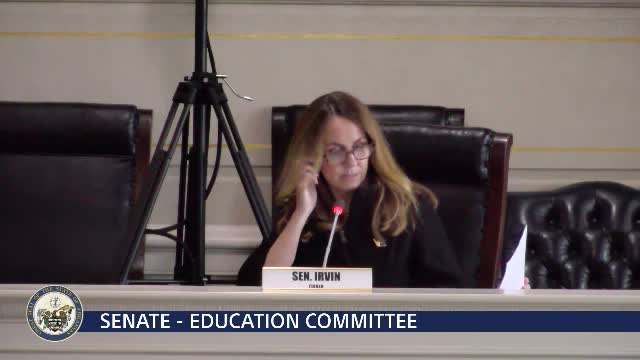
A Senate Education Committee on Thursday voted to advance legislation that would require Arkansas public schools to teach the Holocaust to students in grades five through 12.
The student lead witness, David Ronnell, a junior at Little Rock Central High School, told the committee, "Next year, my classmates and I will graduate from high school without receiving any consistent or meaningful instruction about the Holocaust." Ronnell said the lack of classroom instruction has left students vulnerable to online misinformation and antisemitic messaging.
Sponsor remarks said the bill is intended to ensure the state does not "miss" the lessons of World War II, including the dangers of bullying and the importance of diversity and equal treatment. Committee members questioned the fiscal impact statement, which the Department of Education estimated at $20,000–$50,000. Senator Hester said nonprofits that have ready-made K–12 curricula can reduce implementation costs and that the estimate was a cautious budgeting measure.
After brief questioning about what students currently see in classrooms — from a single book read in elementary grades to optional AP-level coverage — the committee moved the bill forward. The chair recognized Senator Chesterfield to make the motion to pass; Senator English seconded. The committee approved SB 160 by voice vote.
Next steps: SB 160 will be scheduled for further legislative consideration. Sponsors and supporters told the committee they expect district-level implementation to rely on existing nonprofit materials and Department of Education guidance.