Get Full Government Meeting Transcripts, Videos, & Alerts Forever!
Get email alerts on the Teacher Pipeline topic
No spam. Unsubscribe anytime.
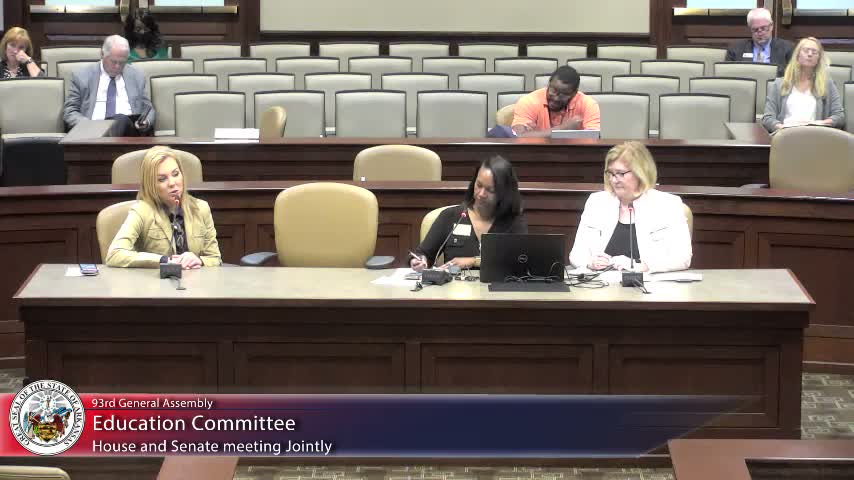
Education committee presses for broader outreach to boost teacher pipeline and concurrent-credit uptake
Summary
Lawmakers pressed Department staff on expanding concurrent-credit outreach, pathways to teacher licensure and accountability for scholarships and loan-forgiveness programs; the department said some students could finish an associate while in high school and offered to provide program-by-program data.
Department staff briefed the Education Committee on efforts to expand the teacher pipeline, focusing on concurrent-credit pathways, associate-degree alignment and program accountability.
Legislators from both chambers urged a concerted outreach campaign after several members said students and parents remain unaware of concurrent-credit opportunities. "One of the best kept secrets still in the state of Arkansas are concurrent courses," Representative Chesterfield said, urging outreach comparable to past lottery publicity. Committee members proposed that two-year colleges send eligibility letters directly to parents and students; a member asked an audience official to take that task on.
Committee members also questioned whether students could graduate from high school with an associate degree. Department staff said it is feasible for "go-getter" students to complete an associate while finishing high school if courses are aligned and the student is committed; the department is working with universities to align concurrent lower-level education classes with associate-degree requirements.
On certification and curriculum, a department presenter said public institutions must follow the Arkansas core and general education requirements, but freshman and sophomore education coursework can vary by institution. "We're working on a standard associate of arts and teaching across the state," the presenter said, noting private institutions may be grandfathered and would add programs to their inventories rather than seek the same prior approvals.
Lawmakers pressed the department for data on which licensure routes produce the most teachers and where shortages persist. The department said the initiative is new and numbers were not immediately available but committed to provide geographic breakdowns and program participation rates to committee members.
Members also asked about accountability for scholarship and loan-forgiveness programs. The department said the Our Future program converts to a loan if recipients do not take employment in Arkansas after completing their education, while the federal TEACH grant requires service in a high-poverty school and shortage area to retain funds. Loan forgiveness and repayment schedules vary by program; the department described examples of multi-year forgiveness amounts and conversion rules.
The committee concluded that the state should expand direct outreach through colleges, career coaches and targeted communications to increase participation in education pathways and requested follow-up data from the department.