Get Full Government Meeting Transcripts, Videos, & Alerts Forever!
Get email alerts on the Urban Homestead Land Use topic
No spam. Unsubscribe anytime.
Committee defeats proposal to let donated tax-forfeited land be used for schools after equity concerns
Summary
A proposal to let the commissioner of state lands release deed restrictions so donated tax-delinquent parcels could be used for public or charter schools failed after senators raised concerns it could concentrate poverty and hollow out traditional public schools.
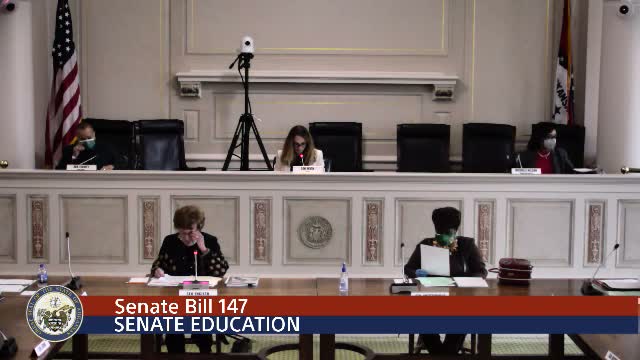
A proposal to allow donated, tax-forfeited parcels restricted to low-income housing to be converted for use as public or open-enrollment charter schools failed in the Senate Education Committee after a contentious debate.
Proponents said the change would add another option for parcels that have sat undeveloped for at least three years. Cliff McKinney, an attorney who testified for Arkansans for Better Schools, said the bill would let the Department of Education or local school districts decide whether a parcel is appropriate for a school and that the change aims to put idle land to community use.
Opponents focused on local impact and equity. Senator Claire Elliott said the policy risked creating “pockets of poverty” and described the proposal as likely to “pack” children by income or race, arguing the change could accelerate the conversion of public school resources into charter operations in neighborhoods already losing traditional schools. "This bill is about the continued hollowing out of the Little Rock School District," Elliott said during floor debate.
The committee also questioned technical elements of the draft. Members sought clarification on the meaning of "higher than average poverty"; witnesses cited the U.S. Census Bureau poverty percentage (referred to in the hearing as roughly 17.2%) and explained the statute uses census-tract poverty rates rather than a fixed dollar threshold. McKinney told senators that past tax liability is cleared when the land is donated and that one amendment preserves non-use deed restrictions such as environmental covenants.
After floor debate and a requested roll-call, the chair announced the motion to pass failed (the chair recorded five no votes) and the bill did not advance out of committee.
The committee moved on to other items on the calendar.