Get Full Government Meeting Transcripts, Videos, & Alerts Forever!
Get email alerts on the Arts Integration topic
No spam. Unsubscribe anytime.
A+ Schools presenters show arts‑integrated model to Senate committee, cite large drops in discipline and higher attendance
Summary
University and foundation representatives described the Arkansas A+ Schools whole‑school model, which integrates arts with core instruction over a three‑year adoption cycle; they said participating schools report higher engagement, improved attendance and sharp reductions in discipline referrals.
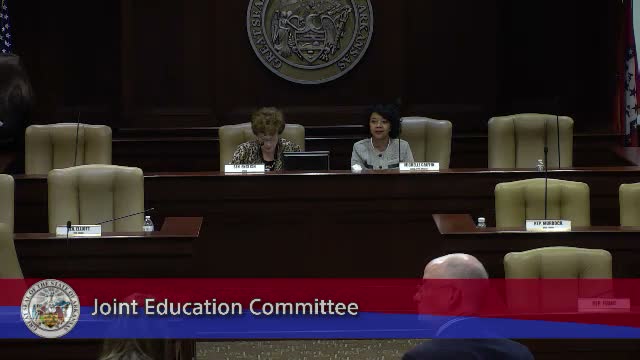
University of Arkansas staff and A+ Schools leaders told the Senate Education Committee that Arkansas A+ Schools is a whole‑school design model emphasizing arts integration across content areas and multi‑year teacher and leadership professional development.
Melanie Landrum, the program's executive director, described the model’s adoption requirements (teacher buy‑in with an 85% staff commitment, a first‑year five‑day institute followed by ongoing on‑site coaching and summer training in subsequent years) and said the model is implemented over three years with sustained support. John Brown, a senior foundation advisor, and Dr. Steve Dittmore described foundation and university partnerships that helped scale the model.
Committee members heard anecdotal outcomes from multiple districts: presenters and members said some schools reported dramatic reductions in long‑form discipline referrals and sustained improvements in attendance and teacher retention after adopting A+ Schools practices. Representative Wing relayed that a principal told him discipline referrals dropped from roughly 270 to 3 in one year after implementation; presenters cautioned that such figures are school‑level anecdotes rather than statewide averages but said similar attendance and engagement improvements have been reported in multiple districts.
Presenters discussed funding: A+ Schools draws foundation support, university partnership resources and some ADE grants; when schools lack budget capacity, targeted public support can help districts enroll. Program leaders asked the committee to consider mechanisms to help districts without discretionary funds cover the modest participation costs when local budgets fall short.
Next steps: program leaders said they are expanding recruitment to underserved regions and offered to provide data on student‑level outcomes and teacher retention to the committee.