Get Full Government Meeting Transcripts, Videos, & Alerts Forever!
Get email alerts on the Early Childhood Literacy topic
No spam. Unsubscribe anytime.
Arkansas Imagination Library tells Senate panel it delivers 39,000 books a month and aims to reach every county
Summary
Presenters told the Senate Education Committee that the Arkansas Imagination Library, an affiliate of the Dolly Parton Imagination Library, mails free age‑appropriate books to children 0–5 across all 75 counties and is pursuing research to show lasting gains in reading readiness.
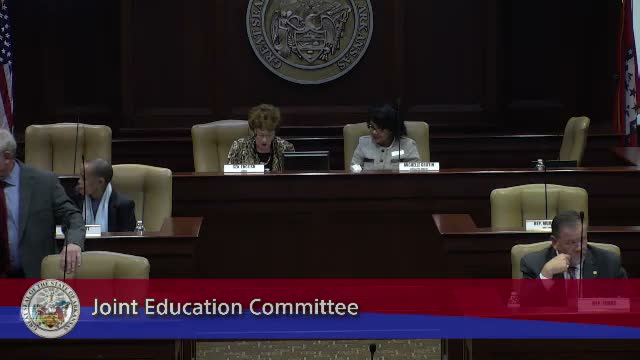
An assistant professor from the University of Central Arkansas and board leaders told the Senate Education Committee on Dec. 5 that the Arkansas Imagination Library mails free, age‑appropriate books each month to children from birth through age 5 and now delivers about 39,000 books a month in the state. The program is an affiliate of the Dolly Parton Imagination Library and organizers said the statewide nonprofit formed in 2017 to expand local efforts to all 75 counties.
The presenters described the program as low‑cost and research‑driven. Enrollment costs roughly $25 per child per year to sustain the statewide affiliate model; local county affiliates typically raise or absorb that fee. Committee members heard the program’s case framed around two lines of research: early brain development (presenters cited that much brain development occurs before kindergarten) and the role of "cultural capital"—books in the home—as a predictor of later academic advantage.
Committee members asked how families enroll and whether the books are actually read rather than just mailed. Presenters said parents generally enroll online or through a local affiliate; some hospitals and community partners promote enrollment at birth and, in a few cases, fund early years for families. The presenters also said the statewide organization is replicating a longitudinal study from Tennessee to track participating children through second grade and expects to return to the committee with Arkansas data in the spring.
Representative Lowery, who has followed the program, told the panel: "There are measurable results in education, especially in issues of teaching reading," supporting the program’s evidence‑based pitch. Several legislators suggested partnerships with civic groups, rotary clubs, hospitals and school districts to close remaining county coverage gaps.
Next steps: presenters said they will continue outreach to counties with low participation and return with replication data in April. The committee did not take a formal funding vote at the hearing.