Get Full Government Meeting Transcripts, Videos, & Alerts Forever!
Get email alerts on the Tuition Policy topic
No spam. Unsubscribe anytime.
Representative Douglas’ amended bill would let some legally present non‑residents pay in‑state tuition
Summary
Representative Dan Douglas successfully moved the committee to approve an amendment and a do‑pass to allow certain legally present students who cannot establish residency (work‑permit dependents, Marshallese, and some DACA recipients) who have lived in Arkansas three years and graduated from an Arkansas high school to qualify for in‑state tuition.
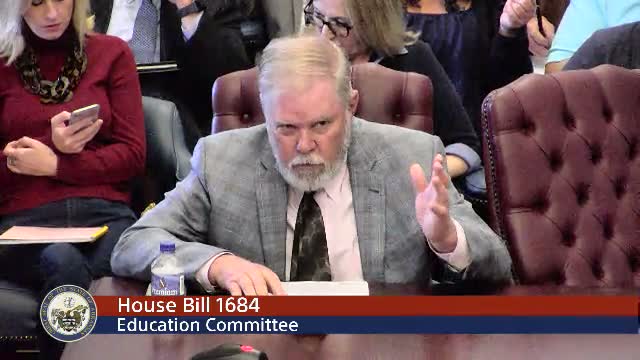
Representative Dan Douglas presented an amended bill to allow students who are legally present in Arkansas but unable to establish residency to qualify for in‑state tuition at Arkansas public institutions, provided they have lived in the state at least three years and graduated from an Arkansas high school. Douglas emphasized the measure is limited in scope: it does not grant free tuition or a general residency waiver, and it applies only to students who meet the specified residency and legal‑status criteria.
Douglas recounted constituent stories from Northwest Arkansas and Little Rock, describing students raised and educated in Arkansas who are blocked from in‑state tuition because of immigration backlogs and technicalities. He said the bill targets students who are legally present (including certain DACA beneficiaries and Marshallese nationals) and allows them the same in‑state tuition rate so long as they meet the residence and graduation criteria.
Committee members asked clarifying questions and some described the proposal as narrowly tailored. After discussion, the committee voted to give the bill a do‑pass recommendation as amended. Douglas and supporters characterized the measure as both humanitarian and pragmatic for a state that has educated these students from K‑12 through high school.
The committee record shows members were attentive to the bill’s limits; no fiscal opposition from institutions was recorded in the transcript segment and sponsors said the amendment clarified eligibility and scope.