Get Full Government Meeting Transcripts, Videos, & Alerts Forever!
Get email alerts on the Ethics Transparency topic
No spam. Unsubscribe anytime.
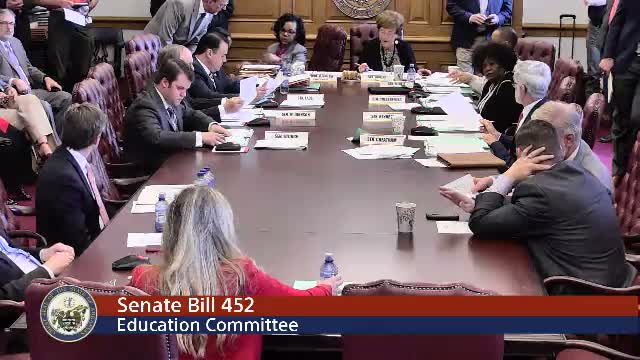
Panel splits as Senate moves to bar public school funds for dues used for lobbying
Summary
Sen. Bridal Davis’ bill would bar school districts from using public funds to pay membership dues for administrators or classified staff when the organization uses the funds for lobbying; education associations warned the restriction would curtail professional development and urged clearer definitions and carveouts.
Senator Bridal Davis presented legislation that would prohibit public school districts from using public funds to pay professional membership dues for board members, teachers, administrators or classified employees when those funds are used to directly or indirectly engage in lobbying. Davis said the change would align administrators with teachers, who are already required to pay dues themselves when an association engages in lobbying.
Davis told the committee taxpayers should not be subsidizing organized lobbying against proposals promoted by lawmakers. “We often see those killed based on calls that we get from our local superintendents…based on bad information,” she said, urging consistency between teacher and administrator standards.
Association leaders objected. Richard Abernathy, executive director of the Arkansas Association of Educational Administrators (AAEA), said the associations provide hundreds of continuing‑education opportunities, mentoring, and certification programs for administrators and classified staff. “School districts and many school districts do pay for professional organizational dues,” Abernathy said. He and Dan Jordan of the Arkansas School Board Association warned that the bill could reduce training and support for school business officials, plant managers and other staff who rely on association services.
Committee members debated definitions. Sponsors used “directly or indirectly” to capture mobilization activities that parachute constituents into targeted campaigns; opponents said “indirectly” is undefined in code and could sweep in ordinary training and membership services. Several senators suggested organizations could segregate private funds for lobbying and continue to accept public funds for training and certification; associations said that may be possible in some cases but not universally so.
After extensive testimony and questions, the committee voted and gave the bill a do‑pass recommendation as amended. The transcript shows the bill drew sustained scrutiny about how to protect training functions while preventing public dollars from underwriting organized lobbying.