Get Full Government Meeting Transcripts, Videos, & Alerts Forever!
Get email alerts on the Lottery Scholarship topic
No spam. Unsubscribe anytime.
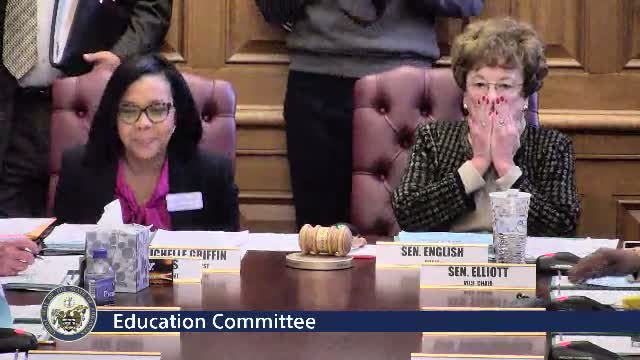
Senate Education panel advances bill to increase lottery scholarship share after debate over revenue impact
Summary
The committee voted to pass SB 387 after competing fiscal claims: the bill’s supporters said a mandate would raise scholarship dollars; the Arkansas Lottery director warned a mandate could reduce total revenue and lower the cash available for scholarships.
Senate Education advanced SB 387 after extended testimony over how a mandatory minimum return of lottery proceeds would affect scholarship dollars and lottery operations.
Senator Elliott, sponsor of the bill, said Arkansas voters expected the scholarship lottery to fund college aid and that recent eligibility changes and payout reductions have undercut that promise. He asked Ken Yang of the Family Council to present comparative data showing many states put a larger share of gross proceeds toward scholarships.
Ken Yang, director of governmental affairs for the Family Council, pointed to a national gross-proceeds average near 30 percent and told the committee Arkansas currently averages about 18–19 percent. Yang told the committee the bill’s provisions would increase scholarship payouts and estimated the state could return near $125,000,000 to scholarships by fiscal year 2025, a figure he said was based on his research, not Lottery calculations.
Bishop Woosley of the Arkansas Lottery Commission disputed Yang’s projection and cautioned that a mandatory-return requirement typically reduces total sales and therefore total dollars available to return. “This bill will have a devastating impact on the lottery, and it will not be reversible,” Woosley said, adding the Lottery’s analysis shows a likely return in the $55 million–$60 million range under a mandate and that the only place to find the additional percentage would be to cut prize payouts.
Committee members questioned staff about reserve and refund mechanics and whether changes in freshman eligibility and payout timing affect annual scholarship funding. Woosley noted the Lottery maintains an insurance-style shortfall account and described steps the agency took to reduce operating costs and vendor payments in recent years.
After questions and public comment, the committee took a voice vote and reported passage of SB 387. The committee record does not include a roll-call tally in the transcript; the bill was announced as passed at the meeting’s close.
What’s next: SB 387 will proceed according to the Senate’s calendar for further consideration. The committee’s testimony shows proponents and the Lottery differ on whether a mandated percentage produces more money for scholarships; lawmakers will have to weigh those competing fiscal projections in later debate.