Get Full Government Meeting Transcripts, Videos, & Alerts Forever!
Get email alerts on the Parks And Recreation Staffing topic
No spam. Unsubscribe anytime.
Lennox committee weighs shift to full‑time parks and rec manager; moves to executive session on personnel
Summary
Lennox Parks & Recreation committee debated replacing part‑time seasonal roles with a full‑time recreation manager, discussed funding and operational hurdles and requested a fiscal analysis; members moved into executive session to discuss a specific personnel matter.
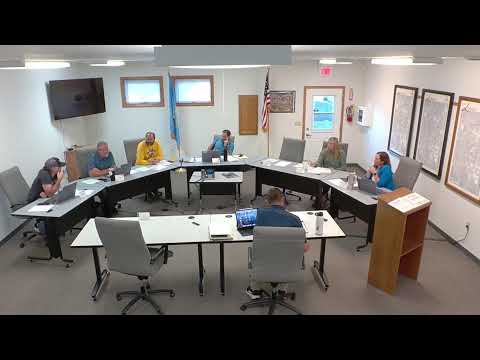
Speaker 3, the committee chair, opened the meeting saying it was “an opportunity to discuss, what we wanna do in parks and recreation,” and presented a memo and organizational chart that, the chair said, show current staffing and responsibility gaps. The chair warned that the existing structure can leave accountability “spread across several positions” and that part‑time workloads and irregular hours strain communication and program delivery.
Committee members described a familiar pattern: volunteer labor and short seasonal hires have historically covered concessions and field maintenance, but turnover and training gaps have undermined continuity. Speaker 4, a council member who said they served on the park and rec board previously, said the part‑time approach “was kind of set up for failure to begin with” and noted that while winter months offer tasks like snow removal, summer demands can be “full time, if not more.”
Several members urged a careful financial comparison. Speaker 3 asked if the group “would like to see financial comparisons” before moving toward a full‑time hire, and Speaker 2 argued that a year‑round parks and recreation program that “serve[s] all ages in our community…is critical,” saying a single full‑time employee could better launch new programs and pursue grants. Members noted potential outside funding sources, including the Land and Water Conservation Fund and parks/trails grants, that could help underwrite capital projects or program expansion.
Operational constraints and scheduling logistics were raised: the committee discussed extending seasonal coverage (for example, starting in April rather than May), the need to build registration systems earlier in the year, and that registration platforms such as SportsEngine require lead time and approvals. Committee members also flagged the need for improved maintenance scheduling and potentially additional part‑time help if a full‑time position were created and maintenance duties were reassigned.
Toward the end of the meeting, Speaker 4 raised a personnel matter involving an existing staff member who “may appropriately fit this bill” and moved to discuss feasibility in executive session. Speaker 3 seconded the motion. The chair called for a voice vote; members answered “aye,” and the motion to enter executive session carried.
Next steps noted by committee members included conducting a fiscal analysis comparing part‑time and full‑time staffing models, clarifying the scope of a proposed full‑time position (whether it would combine maintenance and recreation duties), and identifying potential grant opportunities. The committee left the public discussion to meet in executive session on the personnel item.