Get Full Government Meeting Transcripts, Videos, & Alerts Forever!
Get email alerts on the Special Education topic
No spam. Unsubscribe anytime.
Franklin Elementary staff outline special‑education restructuring and integration efforts
Summary
Franklin Elementary principals and special‑education teachers described Strat 2 eligibility, staffing challenges, responsive‑classroom and CPI training, paraeducator roles, a new school‑based therapist and a therapeutic classroom; teachers emphasized on‑the‑job training and transfer of skills across settings.
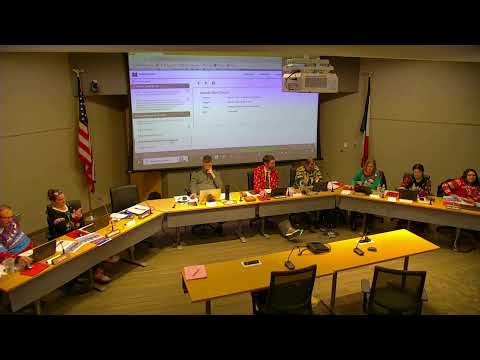
Franklin Elementary Principal Tim Humgren and the school’s special‑education team presented a detailed update on special‑education programming and integration during the Dec. 16 Marshalltown board meeting.
Humgren said the district has been reviewing programming in response to an increase in students with significant needs and statewide shortages of licensed Strat‑2 teachers. He summarized counts the team used when planning services: 16 students considered for behavior disorder programming, 42 for extended core services and 10 for alternate assessment pathways, and he explained that Strat‑2 designation requires students to spend more than 41% of their day outside general education settings.
Staff emphasized a layered system of supports: Responsive Classroom practices across the building, CPI de‑escalation training, substantial paraeducator support in self‑contained and integrated settings, a newly added school‑based therapist, and a therapeutic classroom designed for smaller adult‑to‑student ratios. Presenters showed brief classroom video snippets and shared student perspectives to illustrate integration successes.
Teachers and paraeducators told the board that much of the preparation comes from on‑the‑job training and mentoring: new paraprofessionals are typically paired with veteran staff, and para support is central to both self‑contained and integrated models. Humgren said families are kept informed through a mix of face‑to‑face meetings and daily reminders and that staff aim to share positive updates as well as concerns.
During Q&A board members commented on observed classroom climate, student adaptability and parent communication practices. No formal action was required; the presentation concluded with praise for staff and a request for continued district support for paraeducator hiring and training.