Get Full Government Meeting Transcripts, Videos, & Alerts Forever!
Get email alerts on the School Improvement topic
No spam. Unsubscribe anytime.
Mukilteo district outlines school improvement plans focused on MTSS, multilingual learners and ninth‑grade success
Summary
District leaders presented school improvement plans emphasizing MTSS (multi‑tiered systems of support), belonging/social‑emotional learning, supports for multilingual learners, Science of Reading strategies, math manipulatives and a targeted focus on ninth‑grade success across elementary and secondary schools.
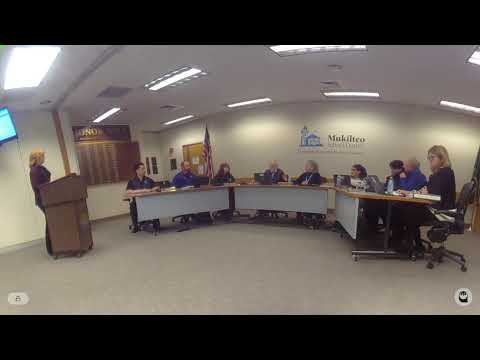
District leaders presented a districtwide overview of school improvement plans at the Mukilteo School Board meeting on Dec. 10, highlighting a continued focus on multi‑tiered systems of support (MTSS), culturally responsive instruction and supports for multilingual learners.
Dr. Raymond (presenting) said the districts school improvement plans align with the strategic plan and center on belonging, social‑emotional learning and data‑driven interventions. The presentation noted that some schools have MTSS as a standalone goal while others embed it across goals; principals use common school data and needs assessments to refine yearly goals.
Presenters emphasized strategies for early literacy and mathematics: adopting the Science of Reading framework for phonemic awareness and systematic phonics; continuing math expressions curriculum with a new online component; classroom routines using manipulatives for math; and targeted interventions such as I‑Ready and MyPath for individualized student support. The district also noted expansion of sheltered‑instruction strategies (SIOP) at secondary schools to support content and language objectives for multilingual learners.
Board members cited examples from recent school visits: one presenter noted that a school reported roughly 35% multilingual learners and described newcomer supports (family welcome interviews and visual cues such as murals to help non‑English‑speaking families navigate campuses). The board discussed alignment between professional development for principals and classroom practice, and the need to sustain focus on Tier 1 instruction while using data cycles to adjust interventions.
The presentation closed with a continued emphasis on ninth‑grade success as a lever for graduation outcomes and references to ongoing grants and partnerships to support that work. Board members asked clarifying questions about timelines and implementation; presenters said professional‑learning plans and school leadership teams will guide next steps.