
Stillwater schools launch community process for districtwide phone‑free policy
Get AI-powered insights, summaries, and transcripts
Subscribe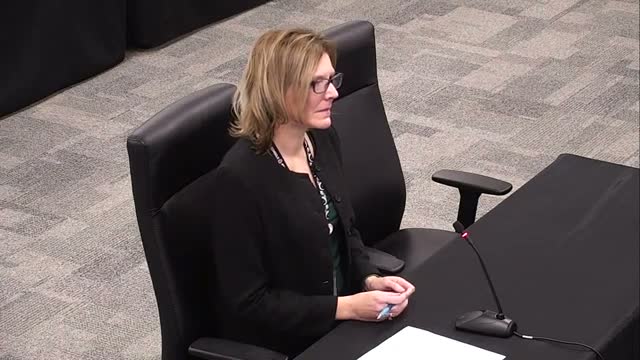
Summary
After a presentation from the Phone Free Schools Movement, the Stillwater Area Public Schools board opened a months‑long community engagement process, including student and staff surveys, toward a policy decision by March and potential fall 2025 implementation.
A national advocacy group urged the Stillwater Area Public Schools board on Monday to adopt a "first bell to last bell" policy that would require students to keep personal electronic devices off and secured during the school day, and district leaders said they will collect community feedback and survey students and staff before deciding by March.
Kim Whitman, cofounder of the Phone Free Schools Movement, told the board that removing phones from classrooms creates "a distraction‑free environment where students can thrive both academically and socially," and described storage options ranging from simple zippered pouches to the commercial Yondr locking pouches. Whitman said the group does not accept industry funding and cited national surveys and studies — including Common Sense Media and the Pew Research Center — describing high device use and classroom distraction.
"By removing phones and personal devices, we can create a distraction‑free environment where students can thrive both academically and socially," Whitman said.
Superintendent Mike Funk said he supports teaching digital citizenship but asked whether removing phones would limit opportunities to teach those skills. Whitman replied that schools can teach digital citizenship without granting continuous device access: "You can educate without giving them access."
Board members pressed staff and the presenter on enforcement, equity and safety. Director Kelsenberg asked how teachers would be backed up when, for example, students conceal phones in pockets; Whitman recommended a storage tool and administrative enforcement protocols to make policy consistent across classrooms. The presenter acknowledged exceptions for students with IEPs or 504 plans that require device use for medical monitoring.
Carissa Keester, who introduced the item, said the presentation marked a community kickoff: the district will post the presentation online, run a thought‑exchange feedback page on its website, and survey middle and high school students and staff in December. Keester said the board must adopt a policy by March and anticipates implementation in fall 2025, with the district using survey results and community input to design enforcement, storage and communication plans.
The board did not vote on a specific policy Monday. Next steps include public review events (the transcript noted a Jan. 17 curricular review date for another item), a student survey after Thanksgiving, staff surveys and further community outreach before the board considers a draft policy.