Get Full Government Meeting Transcripts, Videos, & Alerts Forever!
Get email alerts on the Transit Handbook topic
No spam. Unsubscribe anytime.
Mitchell board adopts updated Palace Transit handbook with new app, fare and no‑show rules
Summary
The Mitchell Community Services board adopted a revised Palace Transit passenger handbook that implements a new dispatch app, adjusts same‑day fares ($10 weekdays, $15 weekends), tightens no‑show and past‑due policies and clarifies safety and mobility‑device rules.
The Mitchell Community Services Board voted to adopt an updated Palace Transit passenger handbook that implements a new dispatch and rider app, adjusts same‑day fares and formalizes no‑show and past‑due balance policies.
A staff member told the board the system launched on Aug. 14 and now provides optimization features such as “arrive by” and “leave by” scheduling and live vehicle tracking in an app so passengers can see their bus and driver. “We have launched our new spare transit dispatch software,” the staff member said, describing ongoing bug fixes and new report‑building work.
The handbook changes include new scheduling language, revised operating windows determined by the routing system, and a reworked same‑day fare structure: $10 for weekday same‑day trips and $15 for weekend same‑day trips. Staff said the weekend increase responds to higher costs and dispatch constraints. The proposal also clarifies holiday closures (Martin Luther King Day, Presidents Day and Native American Day) and moves several administrative functions to the rider app to reduce missed communications.
Safety and accessibility edits require that walkers and wheelchairs be properly secured and state that wheelchair and mobility‑device passengers take precedence over carry‑on items. After debate about wording, board members agreed on language prioritizing “devices that carry items” behind mobility devices to avoid blocking securement locations.
The handbook adds operational clarifications about lost items: passengers may pick up items during office hours at no charge, or pay a $10 same‑day delivery fee (raised from $5) for staff to deliver items. Staff explained the system’s new mileage calculations will begin charging out‑of‑town mileage from the time of pickup and proposed a $1 per mile out‑of‑town fee that staff said roughly matches prior totals.
To address federal compliance and reduce no‑shows, the handbook specifies that return trips for missed rides will be charged the same‑day rate and that, after one no‑show, future rides will be canceled until payment arrangements are made. Staff reported the program has 193 accounts owing a balance (total owed $10.76 as of the meeting) and 90 people owe $4 or more; the handbook includes a provision that service can be refused for past‑due balances exceeding $4.
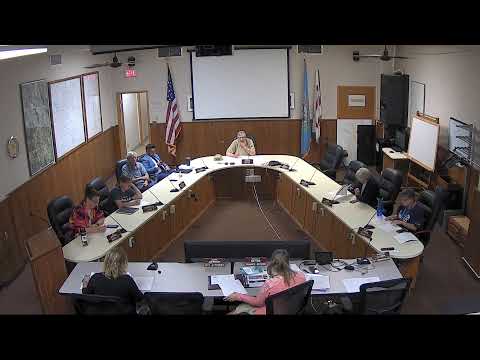
The board moved and seconded adoption of the handbook and proceeded to roll‑call; members present responded in the affirmative during the recorded roll call and the chair closed the item. The handbook will be implemented by staff subject to the clarifications and operational practices discussed at the meeting.
Implementation details and procedural follow‑ups noted at the meeting included increased use of the rider app for scheduling and cancellations, staff work to reconcile August reporting across two systems, and continued software troubleshooting. Staff said they will finalize report templates and update passenger communications to reflect the changes.