Get Full Government Meeting Transcripts, Videos, & Alerts Forever!
Get email alerts on the I Am 28 Ballot Measure topic
No spam. Unsubscribe anytime.
Brookings council hears competing views on "I am 28" grocery-tax ballot measure
Summary
Council members heard presentations from proponents and a coalition of business, municipal and civic groups about initiated measure "I am 28," which would bar the state from taxing "anything sold for human consumption." Supporters said it removes the state grocery tax; opponents warned of large state and municipal revenue losses and legal uncertainty.
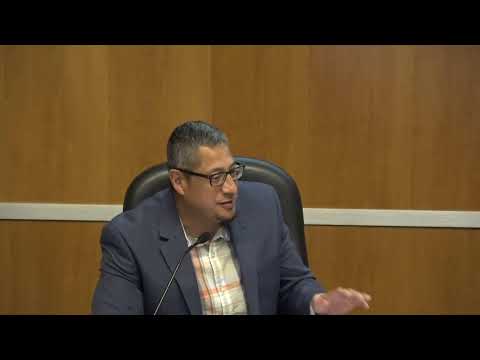
Brookings City Council on an item labelled "I am 28" heard a panel of proponents and opponents explain what a November initiated measure would do and how it might affect the city.
Rick Weiland, sponsor of I am 28, told the council the measure "simply removes the state's sales tax on food," which he said is presently the state's 4.2 percentage-point share. He framed the tax as regressive and cited Feeding South Dakota's research that, he said, found roughly 106,000 residents experiencing food insecurity. Weiland emphasized the petition's fiscal note and the attorney general's ballot text as the official materials voters will see and told residents the initiative is focused on the state food tax, not broader categories opponents cite: "It's taking the state's tax off of food," he said.
Opponents, including Nathan Sanderson, executive director of the South Dakota Retailers Association, and Sarah Rankin, executive director of the South Dakota Municipal League, urged caution. Sanderson read the two-sentence ballot language aloud and the attorney general's explanation, stressing that "human consumption" is not defined by statute and that existing statutory definitions for tobacco, vaping and cannabis products include the phrase "intended for human consumption." He said that uncertainty helps explain a Legislative Research Council fiscal-note range he described as at least $133 million up to $646 million in lost state sales-tax revenue, and higher numbers if tobacco and other items are included.
Rankin told the council the municipal league estimates a $51.5 million statewide loss for municipalities and a $1,600,000 annual impact to Brookings specifically if local authority or the state/local tax structure is disrupted. She warned that municipalities could be forced to cut services such as street maintenance, parks, libraries and pools if revenues are not replaced.
Senator Tim Reid (District 7), who has served on taxation and local government committees, described legal and technical risks if voters approve an initiative with undefined terms. Reid said judicial or legislative clarification would likely follow and noted that any legislative increase to make up lost revenue could require a two-thirds vote of the legislature, a high threshold. He also flagged potential consequences for the Streamlined Sales Tax agreement, which helps states and municipalities collect remote sales taxes.
Stephanie Mason of the Brookings Economic Development Corporation said local business and economic groups are backing a "No" vote, citing projections that the measure could sharply reduce state sales-tax receipts and harm education and public services.
During a lengthy council Q&A, members asked whether municipalities could continue their local sales taxes if the state prohibition takes effect, what "human consumption" legally covers, how fast the measure would take effect (the presenters said an effective date would operate on July 1 following passage, but court actions or legislative changes could complicate timing), and what options exist to replace lost revenue. Proponents said the ballot and fiscal note focus on the state food tax and argued municipalities could choose to continue local sales taxes; opponents emphasized uncertainty and the potential for large budget shortfalls.
No action or vote on the measure was taken by the council at this meeting. The council moved on to other agenda items, scheduled a budget study session and adjourned.