Get Full Government Meeting Transcripts, Videos, & Alerts Forever!
Get email alerts on the Urban Development topic
No spam. Unsubscribe anytime.
Neighbors and advocates urge council to reject $20 million TIF for Urban Government Center redevelopment
Summary
Residents and community representatives told the council the Urban Government Center (UGC) redevelopment should prioritize affordable housing, green space, and transparency; several speakers urged a 'no' vote on the $20 million tax-increment financing subsidy and criticized the CBA process for losing neighborhood representation.
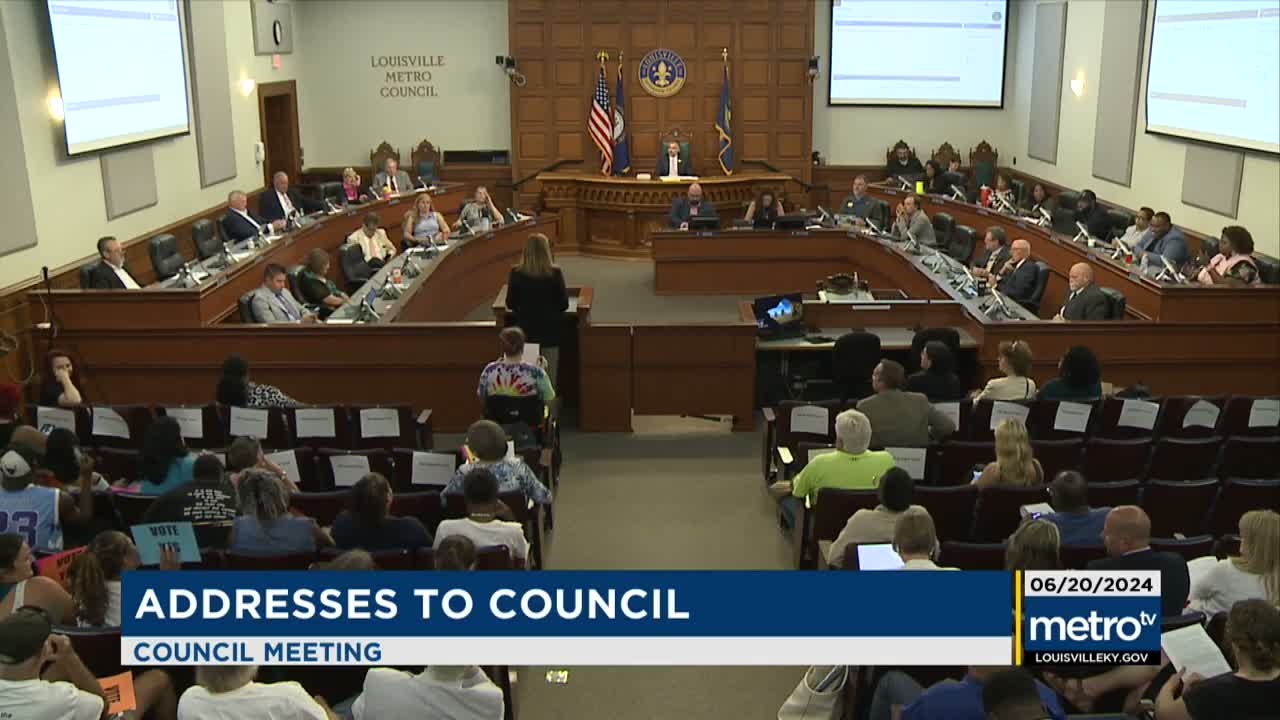
Multiple residents and neighborhood representatives used the addresses-to-council period on June 20 to press the council on the future of the Urban Government Center (UGC) site and the proposed $20 million tax-increment financing (TIF) subsidy.
Shannon Musselman, identified as convenor of a five-neighborhood group that worked on a community benefits agreement (CBA), said the public land should be developed to higher standards than private sites and argued that the CBA process had been undermined when neighborhood representatives were replaced by allies of the developer. She urged council members to vote against the TIF as currently drafted.
Thomas Woodcock outlined ethical and conduct concerns about one developer and said alternative financing plans exist that would avoid the $20 million TIF. He said he submitted a plan showing more than $50 million in available state and federal subsidies and urged protections that would preserve public property if a developer fails to meet obligations.
Rebecca Minnick, who said she represents Germantown and sits on the CBA, asked council to protect affordable housing and green space and objected that Metro would transfer 11 acres for $1 and $20 million in tax credits while asking little in return. She said the committee was replaced and two of three remaining entities are business partners of the developer, creating an appearance of conflict.
Those speakers and others asked the council to reject the TIF or demand a stronger community benefits package, retention or rehabilitation of existing buildings, clearer definitions of project scope, and legally protective provisions to enable Metro to reclaim public land if commitments are not met.
Council did not take a floor vote on a TIF ordinance during this meeting; the record for the June 20 meeting documents strong neighborhood opposition and requests that councilmembers consider alternatives before approving taxpayer subsidy for the redevelopment.