Get Full Government Meeting Transcripts, Videos, & Alerts Forever!
Committee advances ordinance clarifying ban on blowing leaves, yard debris into Louisville streets
Summary
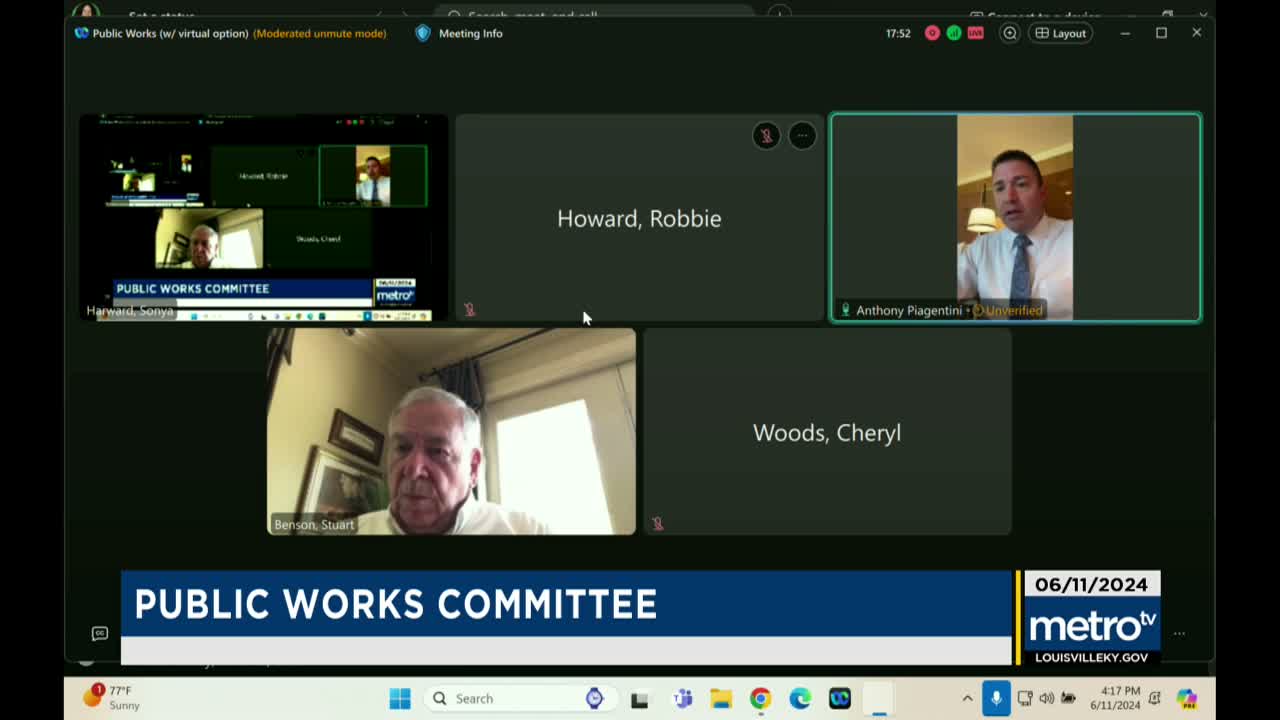
The Louisville Metro Public Works Committee voted unanimously to forward Ordinance O-091-24, which clarifies that leaves, sticks and other yard debris should not be placed in roadways, aims to prevent damage to sweepers and clogged catch basins, and emphasizes outreach before citations.
The Louisville Metro Public Works Committee voted unanimously to advance Ordinance O-091-24, a change to Louisville Metro Code of Ordinances section 97.071 that clarifies what materials may be placed in roadways and establishes liability for removal costs where appropriate.
Councilman Piagintini, who chaired the meeting in Councilwoman Pervis’s absence and is the lead sponsor, said the update responds to a recurring problem: "there are folks who, are putting material into the street that should not be put into the street for street sweeping," which can damage equipment and clog…
Already have an account? Log in
Subscribe to keep reading
Unlock the rest of this article — and every article on Citizen Portal.
- Unlimited articles
- AI-powered breakdowns of topics, speakers, decisions, and budgets
- Instant alerts when your location has a new meeting
- Follow topics and more locations
- 1,000 AI Insights / month, plus AI Chat