Get Full Government Meeting Transcripts, Videos, & Alerts Forever!
Get email alerts on the State Advocacy topic
No spam. Unsubscribe anytime.
CSAC CEO urges clearer roles and more flexibility for counties; highlights disaster, water and homelessness work
Summary
Graham Knauss, chief executive officer of the California State Association of Counties, updated the Butte County Board on CSAC advocacy — urging clearer state roles and sustained funding for homelessness, backing a statewide water plan (SB 72), seeking flexibility on advanced clean fleets (AB 496) and warning implementation gaps in conservatorship changes. He also announced a new county real‑estate service partnership.
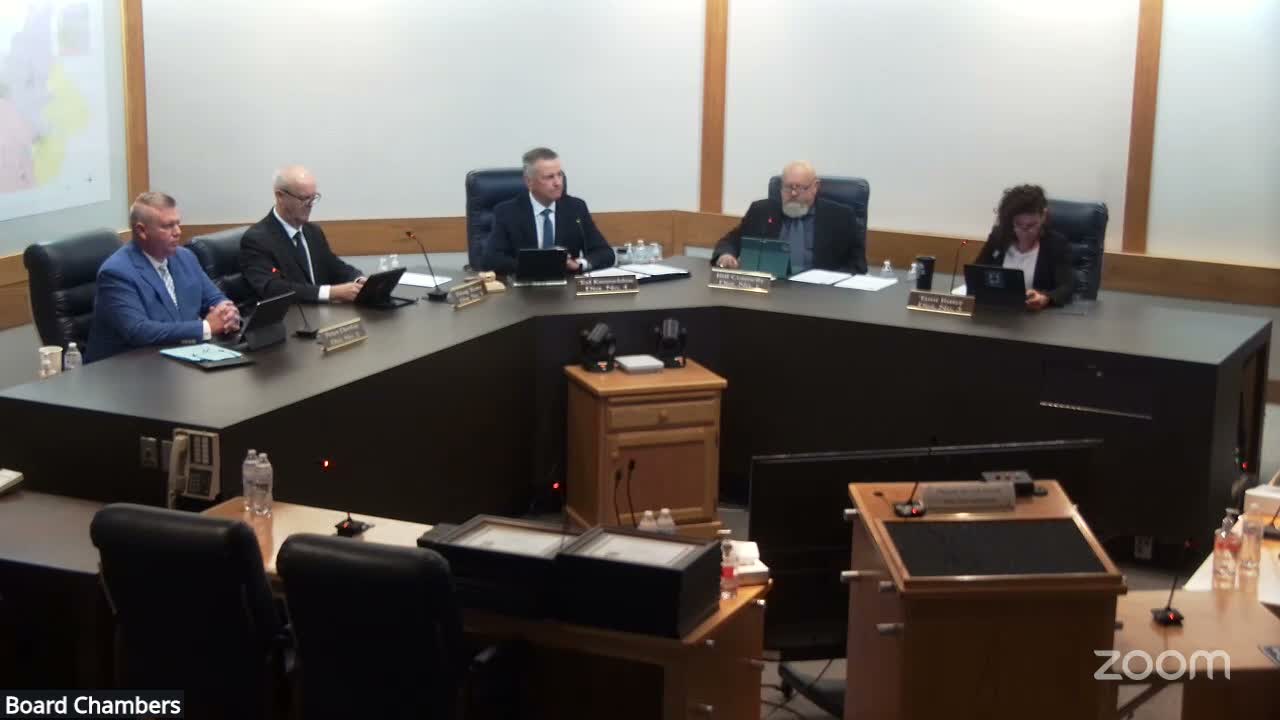
Graham Knauss, chief executive officer of the California State Association of Counties (CSAC), told the Butte County Board of Supervisors that the organization is pressing for clearer roles and aligned funding between cities, counties and the state on major policy challenges including homelessness, disaster recovery and water planning.
“CSAC is old, like very old,” Knauss said, noting the association’s century‑plus history and its work representing counties before the state and federal governments. He outlined CSAC priorities presented to the board, including a new Public Square Real Estate partnership with Cushman & Wakefield to help counties navigate acquisition and disposal of assets, advocacy for flexibility on AB 496 (advanced clean fleets) and opposition to AB 339, a labor bill he said would limit counties’ ability to contract for specialized services.
Knauss said CSAC is a co‑sponsor of SB 72, a water‑planning bill that he described as a necessary statewide frame to define “what is needed” and how to secure it. On homelessness, he said counties receive about 28% of the Housing and Assistance Program (HAP) dollars and urged alignment between responsibility and funding: “If something costs a billion dollars, then there needs to be clarity about who owns what part of that responsibility,” he said.
The CEO also described a comprehensive disaster proposal aimed at automating steps counties now must request after declared disasters — such as expedited debris removal and automatic property‑tax exemptions — to allow communities to focus on recovery rather than administrative fights. Knauss highlighted insurance reforms tied to home‑hardening incentives and said CSAC is working across states that have faced non‑renewals to address market failures.
Supervisors pressed staff and Knauss on local impacts: Supervisor Connolly asked that CSAC push for mitigation to communities that host dams and infrastructure; Supervisor Ritter raised concerns about unfunded mandates and suggested creating thresholds that trigger reimbursement when smaller disasters compound. Knauss acknowledged the “implementation gap” on new state conservatorship rules (Lanterman‑Petris‑Short changes), saying facilities and licensing systems are not yet in place and staff locally will face accountability challenges beginning next year.
Why it matters: CSAC’s advocacy and program work can shape how state laws are implemented at the county level and how federal and state funds are distributed. The presentation highlighted concrete bills and administrative priorities that Butte County supervisors said directly affect local services, disaster recovery and housing programs.