Get Full Government Meeting Transcripts, Videos, & Alerts Forever!
Get email alerts on the Zoning Warrants topic
No spam. Unsubscribe anytime.
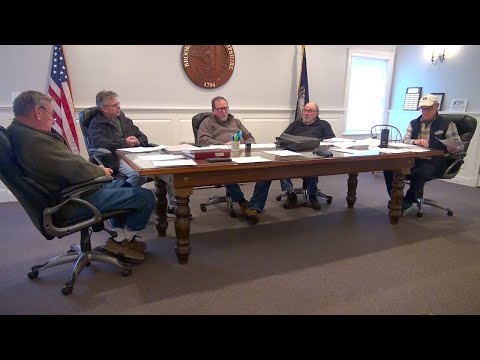
Brookfield Planning Board debates zoning warrant language: frontage, lot size, conditional uses and site‑plan review
Summary
Board members debated proposed warrant articles and zoning text changes including clarifying exemptions for pre‑existing lots, whether to require 400‑foot frontage on large tracts, removing enumerated lists for the recreation area, and whether home‑based businesses visible outside the home should require site‑plan review. The board agreed to draft focused language and consult the municipal attorney.
The Brookfield Planning Board spent the meeting refining proposed zoning warrant articles that would affect minimum lot sizes, frontage requirements, permitted and conditional uses, and procedures for site‑plan review.
Members discussed clarifying language intended to protect pre‑existing recognized lots from unintended effects of recent zoning changes. One draft sentence described in the meeting would state that lots recognized before 03/12/2024 may continue to be developed under current zoning rules and setbacks; members said the purpose is to avoid re‑voting existing lots into nonconformity.
The board also revisited a previously failed proposal to increase required frontage from 250 feet to 400 feet and debated narrowing any new frontage rule to apply only to very large tracts or new subdivisions to avoid penalizing existing narrow lots. Members suggested producing a one‑page explanation to present the public and focusing any new numeric frontage threshold on tracts above a stated acreage (examples discussed included 100 acres and other thresholds).
On permitted uses and conditional uses, a member recommended rewording permitted uses to read as permitted "subject to consultation with the planning board and possible site‑plan review," and rephrasing conditional uses to clearly require obtaining a conditional‑use permit. The goal, members said, is to reduce confusion between items "permitted," "conditional," and items that should always be reviewed.
Board members debated whether to keep enumerated lists of allowed activities for the town recreation area or to remove lists and require site‑plan review for any activity, citing both administrative simplicity and the need to avoid creating loopholes. Members emphasized procedural fairness: board members should refrain from discussing application specifics before public hearings to avoid recusal problems later.
The board agreed to draft clearer warrant language, research comparable town language (examples cited verbally), and schedule a meeting with the municipal attorney in Laconia to finalize definitions and warrant wording before putting measures on the warrant.