Get Full Government Meeting Transcripts, Videos, & Alerts Forever!
Get email alerts on the Comprehensive Plan topic
No spam. Unsubscribe anytime.
Warren council keeps comprehensive plan public hearing open after heated debate over historic-district wording
Summary
After a consultant presentation, the council opened a public hearing on the 2024 Warren comprehensive plan. Residents and preservationists clashed over removing the word “voluntary” from the Historic District Commission, and the council voted to continue the hearing to a future meeting.
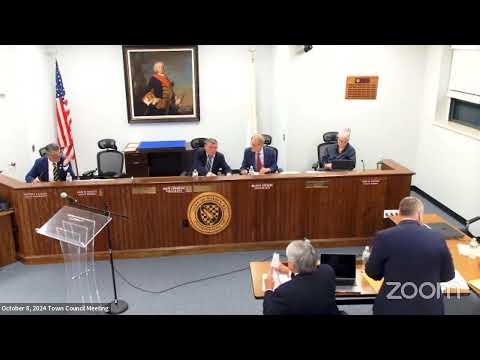
The Warren Town Council opened a public hearing on its proposed 2024 comprehensive plan on Oct. 8, hearing a presentation from the town's planning consultant before taking more than two hours of public comment on the plan's policies and next steps.
Lisonbee Ring, the municipal planning consultant, described the draft as a near-complete rewrite to meet updated state standards and said the plan includes a 20-year planning horizon with elements covering land use, housing, transportation, natural hazards and a new implementation spreadsheet assigning responsible parties and timeframes. Ring told the council that portions of the draft had already been reviewed by Statewide Planning and that the town would submit the plan to the state after local adoption.
The hearing quickly turned to a dispute over language in the cultural and historic-resources section that would remove the word "voluntary" from the Warren Voluntary Historic District Commission. Supporters, including Joan Coltrane of the Warren Preservation Society and Frederick Massey, chair of the Planning Board, said removing "voluntary" would clarify the commission's status, make Warren eligible for Certified Local Government (CLG) status, and unlock technical assistance and grant funding. "Removing the term then makes us eligible," Coltrane said, urging the council to adopt the plan as written.
Opponents raised notice and financial concerns. Louis Bridal and other residents said they had not received direct notice that the town might transition the district from its longstanding "voluntary" designation to a mandatory historic-district ordinance, and warned of increased costs associated with renovations and insurance. One resident submitted a written letter asking that insurance impacts be addressed before any change. The council and the town solicitor responded that ordinance or zoning changes implementing any new historic-district regulations would require separate notice and public hearings under state law.
Solicitor comments clarified process and sequencing: adoption of a comprehensive plan is a council action, and changes to ordinances or zoning maps (including historic-district zoning) would follow the statutory processes that include mailed notice to affected property owners. The solicitor identified Rhode Island statutory authorities cited in the packet (for example, the historic-district zoning statute and the state comprehensive planning statutes) and advised that implementation steps and ordinance language would be developed after plan adoption.
After extensive public comment and cross‑examination of procedural options, the council voted to continue the public hearing and postpone adoption to a future meeting so staff can correct typographical issues in the draft, publish any amendments, and provide clearer public notice about the next steps. The council asked staff to explore a special meeting but left the continuation date to be determined; a motion to continue was approved.
Next steps: the council left the public hearing open and directed staff to publish any changes and circulate information before the continued hearing. Formal adoption remains a later council action after the legally required notice and possible ordinance amendments are prepared.
Sources: presentation and public hearing statements by Lisonbee Ring (consultant) and testimony from Frederick Massey (Planning Board chair), Joan Coltrane (Warren Preservation Society), Louis Bridal, Tara Thibodeaux and other residents; solicitor procedural guidance during the hearing.