Get Full Government Meeting Transcripts, Videos, & Alerts Forever!
Get email alerts on the Animal Control Horses topic
No spam. Unsubscribe anytime.
Glocester council agrees to clarify ordinance language on animal waste after heated public discussion over horses
Summary
Residents and horse owners debated whether horses may use town roads and sidewalks and whether the town should specify cleaning up animal waste; the council signaled it will add a clarifying line to the solid-waste provision rather than create a broad new law.
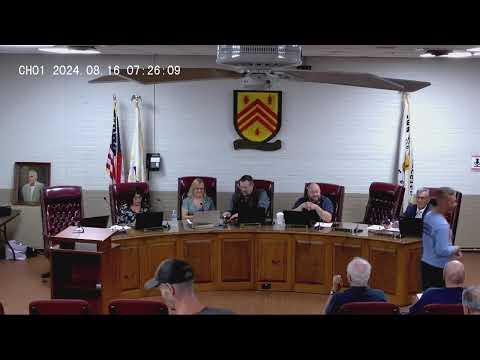
Glocester — A long public discussion on Aug. 15 over horses, sidewalks and animal waste ended with the council agreeing to clarify the town's solid-waste ordinance to make cleaning up after animals explicit.
The meeting drew many riders and residents. Council members and staff repeatedly emphasized that state law allows horses on town roads where safety permits and that an existing ordinance already prohibits animals at the town beach. The principal point of contention centered on whether the town should add specific language requiring riders to remove horse excrement from streets and sidewalks.
Animal-control officer Jennifer Burney told the council she was not seeking a sweeping new law but “simply adding it” — a narrower line to make the waste/cleanup provision clear and administratively enforceable. Several residents who ride in and around town argued they already try to clean up and warned that forcing riders to dismount and carry tools in some rural settings could be impractical and unsafe.
Others described isolated incidents of waste on sidewalks in business districts and urged clearer rules so that businesses and pedestrians would not be affected. Council members said they did not want to micromanage responsible owners but agreed clarifying the ordinance under the solid-waste provision could reduce local conflicts while preserving safe road use by riders.
What happens next: Council directed staff to draft the clarifying language for future agenda consideration. The town's chief and animal-control officer said enforcement would remain discretionary and would focus on safety and repeat problems rather than one-off incidents.