Get Full Government Meeting Transcripts, Videos, & Alerts Forever!
Get email alerts on the Gorham Connector topic
No spam. Unsubscribe anytime.
Maine committee hears heated debate over repeal of Gorham connector authorization
Summary
LD 1020 would strip the Maine Turnpike Authority’s ability to construct the proposed five‑mile Gorham connector and require disposal or return of acquired land. Supporters — residents, farmers and conservation groups — said the project would damage wetlands and farmland; opponents including Maine DOT and the Turnpike Authority warned a repeal could foreclose options while a new MDOT study proceeds.
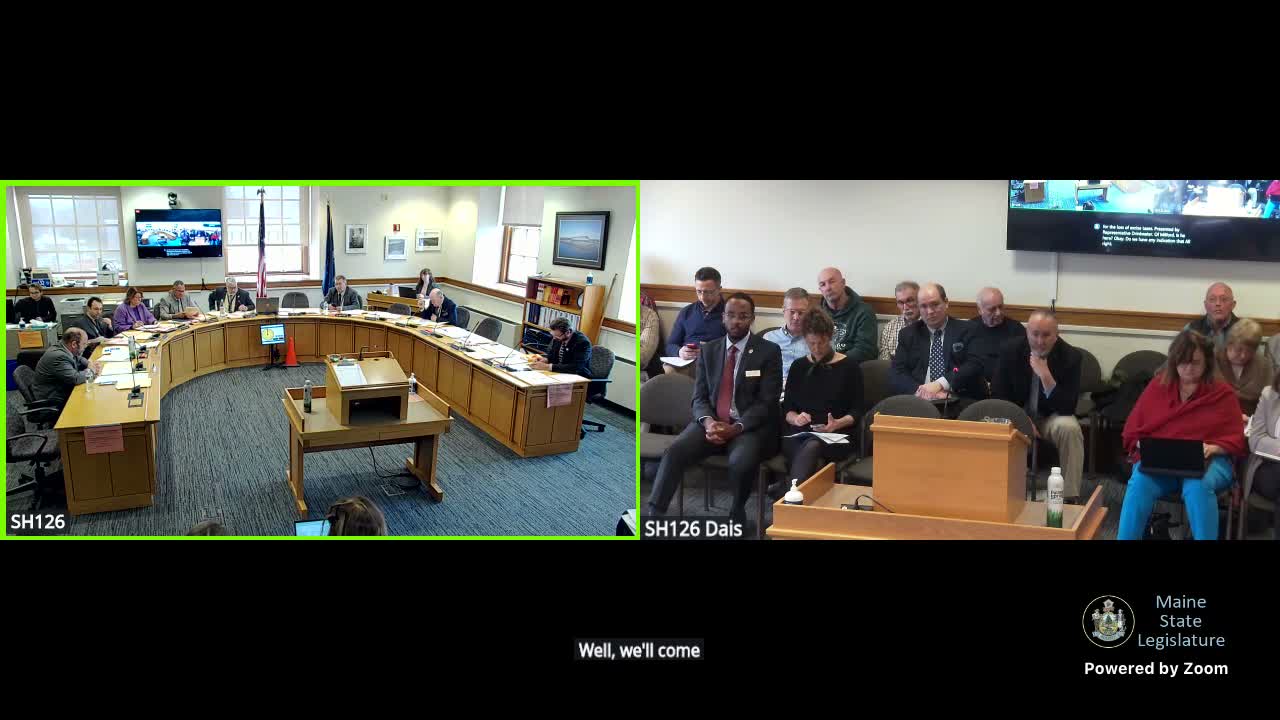
The Legislature’s Transportation Committee heard hours of sharply divided testimony Thursday on LD 1020, a bill to remove the Maine Turnpike Authority’s authorization to build a proposed five‑mile Gorham connector and to return or otherwise dispose of land already acquired for the project.
Senator Stacy Brenner, sponsor of the bill, argued the connector would worsen greenhouse‑gas emissions, harm important wetlands such as the Red Brook watershed and cut through generations‑old farmland including Smiling Hill Farm. "Expanding highways only increases vehicle use," Brenner said, urging the committee to let alternative, multimodal solutions be pursued.
Environmental advocates, farmers and many local residents echoed those themes. Rob Codio of Trout Unlimited described a vibrant brook trout population in the Red Brook watershed that he said would be threatened by the turnpike plan. Thomas Mui Roberts and other homeowners warned of eminent‑domain impacts; Roberts said state cost estimates put the project in the hundreds of millions of dollars and urged repeal to allow other options to be fairly considered.
Opposition testimony came from the Maine Department of Transportation and the Maine Turnpike Authority. Deputy Commissioner Dale Dowdy of Maine DOT urged caution, saying a two‑year, modally‑balanced study the department is preparing will examine a range of alternatives, update the purpose‑and‑need statement, and engage stakeholders across municipalities. Dowdy said taking the connector off the table now would remove a possible tool and could prevent a comprehensive regional analysis.
Erin Courtney, director of communications and government relations for the Maine Turnpike Authority, opposed forced resale or disposal provisions in LD 1020, saying they would disregard acquisition costs, possible environmental mitigation uses, bond‑resolution constraints and could trigger legal claims from bondholders. The Turnpike Authority said most property purchases were amicable and that compelled divestment would create complex legal and financial consequences.
Local elected officials expressed mixed views. The Gorham town manager and a Gorham economic‑development official urged the committee to preserve DOT and MTA roles in further study; several Gorham residents, town‑council members and conservation advocates urged repeal. Business and contractor groups also asked the committee to allow the DOT study to proceed before stripping authority or forcing land sales.
Committee members asked for a range of follow‑up materials in the work session, including traffic and cost analyses, acquisition timelines, public‑opinion polling mentioned by witnesses, and details about what would happen to pledged bond proceeds if land is divested. No formal vote was taken at the hearing; members said they will continue deliberations in work session materials and invited DOT, MTA and advocates to provide documentation.
The committee closed public comment after several hours and moved on to other agenda items.