Get Full Government Meeting Transcripts, Videos, & Alerts Forever!
Get email alerts on the Vehicle Registration topic
No spam. Unsubscribe anytime.
Bill would let Secretary of State accept vehicle excise payments from unhoused Mainers
Summary
Lawmakers heard testimony on LD 611, which would let residents without a fixed address pay vehicle excise tax to the Secretary of State so they can register and legally operate vehicles when municipalities refuse to accept payment. The Bureau of Motor Vehicles backed the change, saying it would be simple to implement.
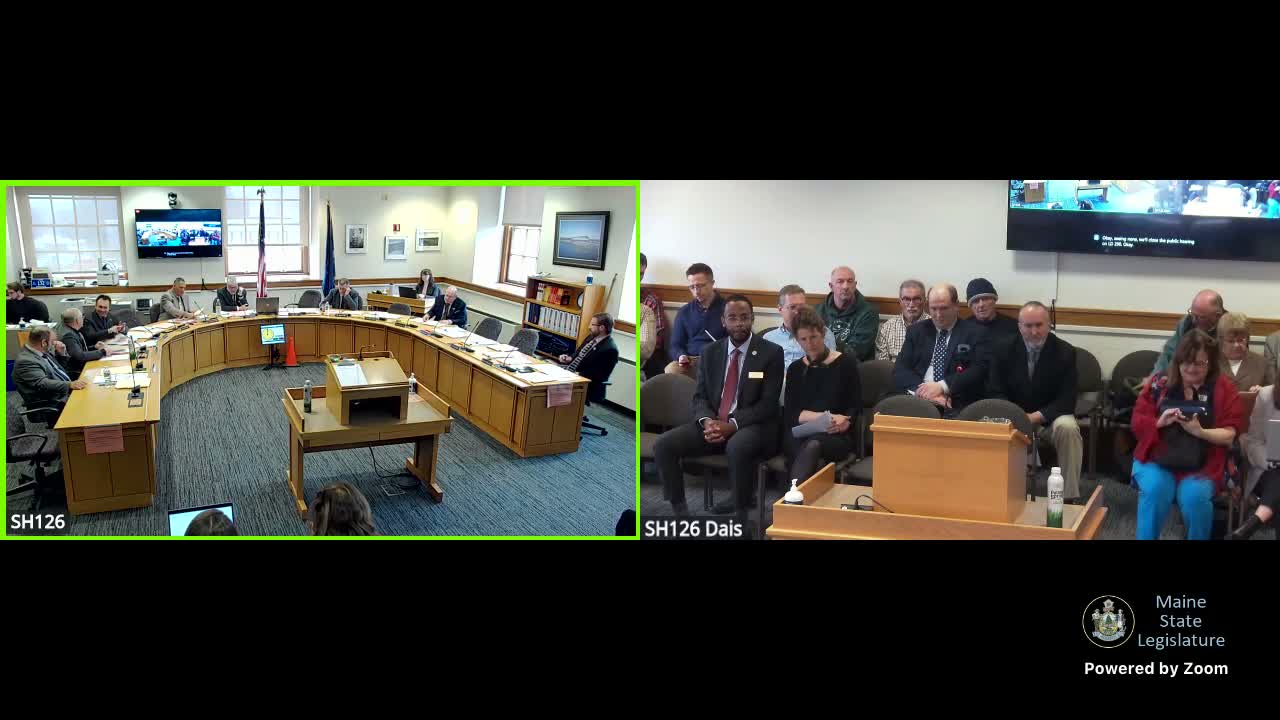
A proposal to let the Secretary of State accept motor‑vehicle excise tax payments from residents who have no fixed residence drew support from the Bureau of Motor Vehicles at a Thursday hearing of the Legislature’s Joint Standing Committee on Transportation.
Representative Dan Sayer of House District 135 told the committee LD 611 would add one sentence to Title 36 to allow an unhoused Maine resident who cannot show proof of residency to pay excise tax directly to the Secretary of State so they can register a vehicle. Sayer said the change responds to cases in which towns declined to accept payment because an individual could not produce a rent receipt or utility bill.
Kathy Curtis, deputy secretary of state and chief of the Bureau of Motor Vehicles, testified the office has been contacted increasingly by residents who are unhoused and want to comply with registration law but cannot provide conventional proof of residence. Curtis said BMV already accepts excise tax for residents in unorganized territories and for participants in the address‑confidentiality program and that expanding the office’s role would send any excise proceeds to the General Fund. She described implementation as low‑impact and said there would be no fiscal note.
Committee members pressed on several practical issues. Representative Wayne Perry asked how an officer would see an address on registration; Curtis said some unhoused residents use PO boxes or provide the town where they habitually park. Representative Jim White asked whether allowing payment to the Secretary of State would effectively confer residency for other municipal benefits; Curtis said BMV is not an elections or social‑service agency and could not answer how other programs would treat the address.
Other lawmakers raised enforcement and fraud concerns: Representative Parrot and Representative Perry asked whether the change could be misused by out‑of‑state drivers or criminal actors seeking to avoid traceability. Curtis acknowledged the risk, noted that Maine already accepts some out‑of‑state addresses for registrations, and offered to provide data in the work session on how many vehicles are registered in Maine with out‑of‑state addresses.
The committee did not take a vote at the hearing. Members indicated they would follow up in a work session with additional information from BMV, including counts of registrations that would be affected and comparisons with other states if available.