Get Full Government Meeting Transcripts, Videos, & Alerts Forever!
Get email alerts on the Film Incentives topic
No spam. Unsubscribe anytime.
Committee hears film tax‑incentive change; bill referred to Revenue & Tax
Summary
House Bill 1743 would let film productions choose a rebate or a transferable tax credit and create a mechanism to authorize supplemental credits beyond a $4 million cap; committee discussion focused on fiscal exposure, qualifying expenditures, and the trust‑fund mechanism. Members voted to refer the bill to the Revenue & Tax Committee for further review.
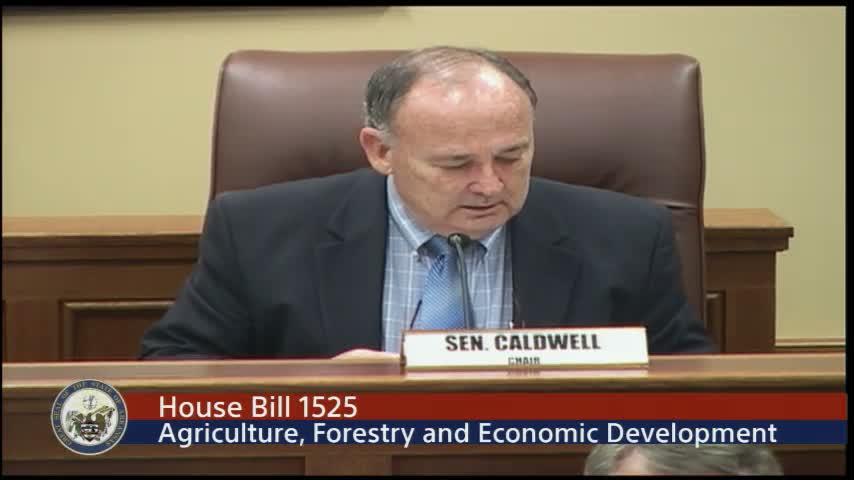
The Senate Agriculture, Forestry & Economic Development Committee heard House Bill 1743, a measure that would amend Arkansas’s film incentive program by allowing qualified productions the option of either the existing rebate or a transferable tax credit. Sponsor Representative Charlene Fite said the change is intended to increase Arkansas’s competitiveness and create more in‑state jobs for crew and service providers.
Under the bill, annually issued tax credits would be capped at $4 million, a figure the sponsor described as the historical average for rebate payments. The bill also creates a mechanism — a trust fund or use of the governor’s rainy day account — to provide supplemental credits above that cap, but only if the Department of Commerce and the Department of Finance and Administration (DFA) perform a positive cost‑benefit analysis and funds are placed into the trust to offset the increase.
Paul Gehring and Joel DePepa of DFA told the committee that eligible production expenditures must be made in Arkansas for either the rebate or the credit and that the same qualifying standards would apply. They said supplemental credits could be authorized only if money existed in the newly created trust fund or the governor made rainy‑day funds available.
Filmmakers and local industry speakers testified in favor, arguing that a transferable credit would make financing more reliable than ad‑hoc use of quick‑action discretionary funds. Screenwriter and producer testimony highlighted economic impact, local hiring and the benefit to small businesses such as caterers, hotels and rental services.
Committee members raised fiscal questions and cash‑flow concerns, including whether supplemental credits could create a budget shortfall if large projects redeemed credits in a single fiscal year. DFA said the trust‑fund mechanism and requirement for a positive cost‑benefit analysis are designed to prevent unanticipated fiscal exposure. After debate the committee moved to refer the bill to the Revenue & Tax Committee for further analysis and possible action.