Get Full Government Meeting Transcripts, Videos, & Alerts Forever!
Get email alerts on the Survivor Services topic
No spam. Unsubscribe anytime.
New Rochester nonprofit MPP360 outlines post-shooting rehab, relief and restoration services
Summary
MPP360 leaders told the Rock Against Gun Violence Coalition that many people survive shootings but lack long-term care; the group outlined a three-phase model (rehab, relief, restoration), requested volunteer clinicians and space, and described collaboration with local trauma centers.
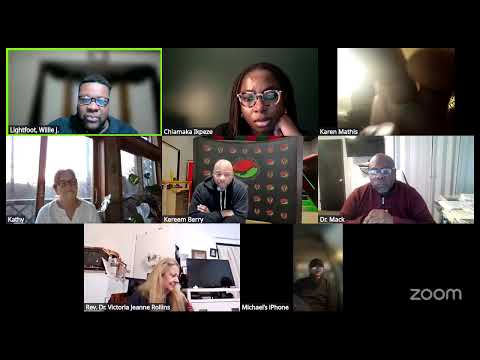
Councilman Willie Lightfoot invited Michael Patterson, CEO of MPP360, and a researcher, Jason, to explain a survivor-focused program that has operated in Rochester for about two years.
Jason, a cultural/medical anthropologist, summarized research on nonfatal shootings and long-term needs, saying someone in the United States "experiences a gunshot wound every 11 minutes," and stressing that most people survive gunshot wounds (about a 4-to-1 ratio of nonfatal shootings to gun homicides, he clarified). Jason told the coalition that retained bullets and inadequate post-acute therapy are a recurring problem and that Medicaid coverage for therapy has narrowed compared with earlier years, leaving a compressed recovery window.
Patterson described MPP360's "3 R's" model: rehab (screening for stigma or bias in care and establishing baseline family interviews), relief (navigation of health and benefit systems and home accessibility help), and restoration (education, vocational training and job placement). He said the group runs survivor and family support groups and aims to build internal mentorship, mental health and fellowship networks.
During questions, a coalition member noted local home-rehab contractors who adapt homes for newly disabled survivors; Patterson acknowledged local partners but said funding access is a major barrier, estimating that "more than 70 percent of survivors do not get the access" to victim funds and other supports. He asked volunteers with physical therapy, occupational therapy or social-work experience to contact MPP360; he said he would leave an email in the chat for follow-up.
Why it matters: The presentation flagged a common gap in citywide violence-prevention work—long-term disability and social-support needs after nonfatal shootings—and proposed a mix of clinical, navigational and vocational services aimed at reducing isolation and improving outcomes.
Next steps: MPP360 will share contact information with the coalition for volunteer recruitment and is already collaborating with area trauma centers and survivor organizations.