
Millport council discusses rental registry to give renters easier access to landlord and inspection information
Get AI-powered insights, summaries, and transcripts
Subscribe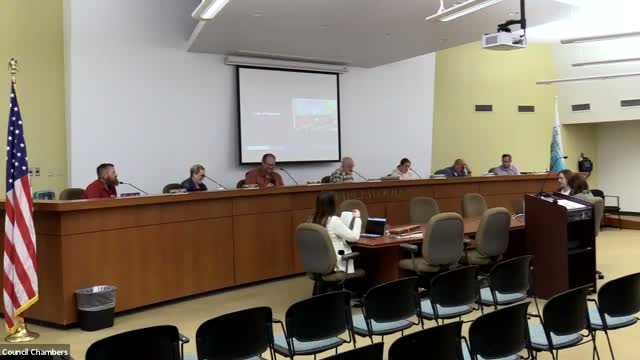
Summary
At a June 11 work session, Millport council members and staff debated a proposed rental registry intended to publish basic landlord contact and inspection information to help renters; staff said existing inspection records can be published as annual reports but warned a live, real‑time database would be costly and hard to maintain. No vote was taken.
Millport’s City Council spent much of its June 11 work session weighing a proposed rental registry intended to make it easier for renters to find landlord contact information, inspection history and basic affordable‑housing data.
City Manager Nick opened the discussion by calling the ordinance “ambitious” and asking the council which of five feasible alternatives staff should develop further. He said staff had paid for legal review and sought direction before undertaking additional legal work: “We paid for legal services to vet this,” he said, adding that the council’s guidance would shape what staff pursued next.
Staff from code enforcement described the city’s inspection process, which runs on annual “anniversary” dates, includes notices to tenants and property managers, and allows a 30‑day cure period before reinspection fees apply. The inspector said records are discoverable through public‑records requests and that the city can produce annual reports from existing software. “We can put this type of information on the website,” the inspector said, and suggested adding a Q&A and an affordable‑housing overview link on maplewood.gov.
Councilmembers debated what the registry should prioritize. Some members said publishing basic owner and contact information annually would empower renters without requiring them to file records requests; others cautioned that a live, frequently updated searchable inventory would be difficult to keep current given rapid turnover. One councilmember urged the council to consider whether the registry would reach those who most need it, saying more affluent renters are likelier to call and use landlord listings while other tenants may lack the capacity to access the information.
The session also addressed whether to publish inspection violations. Staff warned that publishing violations could provoke landlord opposition. “If we start publishing violations, I can write you can rest assured that you’re you’re probably gonna get some landlords that are not real happy with that,” the inspector said.
Councilmembers did not vote. Instead they asked staff to refine the options to a set that is legally feasible and implementable within staff and digital capacity. Nick told the group he would work with the city attorney and a council member to narrow the proposal’s scope and return with recommended alternatives: “I will I will work with attorney Graves and council member Homa to move this forward and refine it.”
Next steps: staff will bring a refined proposal with legal guidance and specific, implementable alternatives back to council at a future work session.