Get Full Government Meeting Transcripts, Videos, & Alerts Forever!
Get email alerts on the Keystone Xl topic
No spam. Unsubscribe anytime.
Arkansas officials, company and port warn Keystone XL cancellation could cost thousands of regional jobs
Summary
State economic officials, the Port of Little Rock and executives from WellSpun Pipes told a Senate committee the federal cancellation of the Keystone XL permit has immediate and downstream economic consequences for Arkansas, citing thousands of jobs and tens of millions in payroll and local tax revenue at risk.
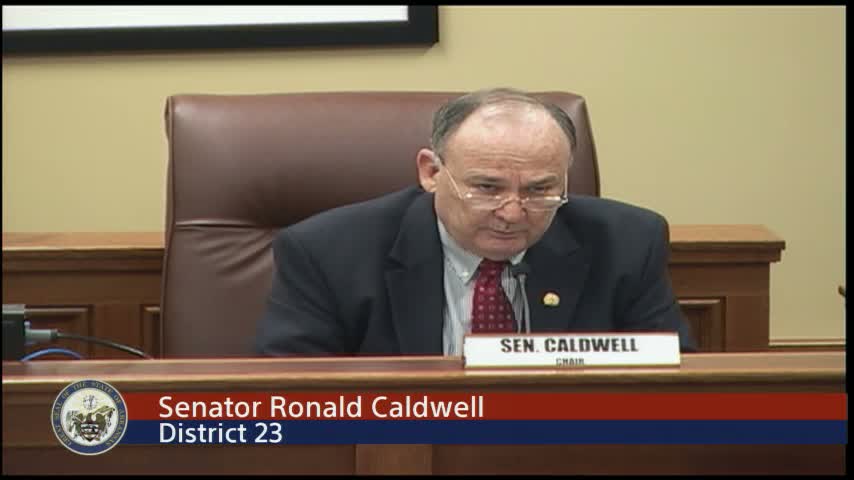
State commerce officials, port leaders and executives from WellSpun Pipes told the Senate Agriculture, Forestry & Economic Development Committee that the federal cancellation of the Keystone XL pipeline permit will have measurable economic consequences for Arkansas.
“11,000 plus jobs would get impacted if this pipeline does not happen,” Rajesh Chokani, who identified himself as the chief operating officer managing WellSpun’s North American business, told senators. He added the project could generate “almost hundred million plus” in property tax revenue across the states the pipeline would traverse.
Mike Preston, secretary of commerce and executive director of the Arkansas Economic Development Commission, framed the issue as more than a national energy debate. He said pipe used by the project is produced in Pulaski County and that WellSpun and other local suppliers sustained employment through the pandemic because of pipeline-related contracts. “When you think about the jobs and the impact… those are 600 well paying jobs, supporting families that are going out and spending money in the economy here in Pulaski and all around Central Arkansas,” Preston said.
Brian Day, executive director of the Port of Little Rock, described WellSpun as the port’s flagship industry and cautioned that the economic effect extends beyond the factory floor to truckers, caterers, equipment suppliers, rail operators and other ancillary businesses across roughly 23 counties. “The impact is real,” Day said, adding the port’s revenue model — fees for barge and rail movements and land leases — depends on large industrial tenants.
Lawmakers pressed witnesses for specifics. Witnesses gave an annual payroll estimate for WellSpun in strong years of roughly $65 million to $75 million and said the company’s Arkansas operations sustained roughly 600 direct jobs; port representatives emphasized the broader labor shed that supplies nearly 7,000 daily workers to port-area employers.
Witnesses and legislators discussed transport-cost differences between pipeline and rail. Committee members were told pipelines are the least expensive method of transporting oil and gas, with one witness offering an approximate $12–$20-per-barrel differential to rail. The testimony included appeals for litigation or administrative action to reverse the federal decision and for state leaders to continue raising awareness of the local effects.
The hearing did not produce a formal state action to allocate funds or change state law; senators said they would continue to raise the issue and lend support where possible. No vote or directive related to the pipeline was recorded during the committee’s session.