Get Full Government Meeting Transcripts, Videos, & Alerts Forever!
Get email alerts on the Open Government topic
No spam. Unsubscribe anytime.
Extensive public testimony opposes proposal to redefine 'meeting' under state FOIA; committee vote fails
Summary
An amended proposal to define a public 'meeting' as any gathering of more than one-third of a governing body drew extended public opposition from justices of the peace, transparency experts, parents and FOIA scholars, who warned it would enable serial meetings and reduce accountability. The committee ultimately did not advance the bill.
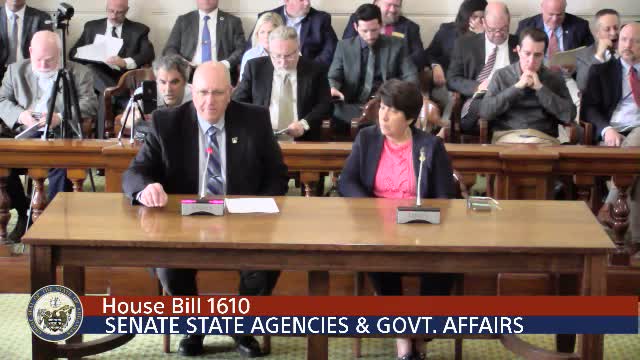
Representative Bentley presented an amendment to House Bill 1610 intended to clarify what constitutes a public meeting under Arkansas’s open-meetings law. The amendment defined a meeting to exclude gatherings of up to one-third of a governing body so those small groups could consult without triggering FOIA notice and minute requirements.
Proponents, including Representative Bentley and Senator Peyton, said the change would remove ambiguity that has discouraged routine communication among local officials and that 47 other states have statutory definitions. They argued the amendment protects ordinary conversations (church, social events) from being treated as public meetings.
Opponents — including current justices of the peace, FOIA experts and school-board advocates — said the one-third standard would allow serial meetings and back-room deal-making, especially in small school districts and quorum courts where one or two members constitute a significant portion of a board. Testimony warned the amendment lacked guardrails to prevent decisions being made in private and could result in costly litigation.
Multiple local officials and transparency advocates urged rejection or deeper revision with FOIA task-force involvement. After extended public comment and discussion, the committee voted and the bill failed to pass out of committee.