Get Full Government Meeting Transcripts, Videos, & Alerts Forever!
Get email alerts on the Veteran Suicide topic
No spam. Unsubscribe anytime.
Arkansas lawmakers hear experts on veteran suicide, consider task force and local outreach
Summary
A joint legislative hearing examined veteran suicide in Arkansas, with state veterans affairs, the Arkansas Veterans Coalition, the National Guard and UAMS urging a public-health, community-based approach, more consistent county veteran service officers and a task force to coordinate federal, state and local resources.
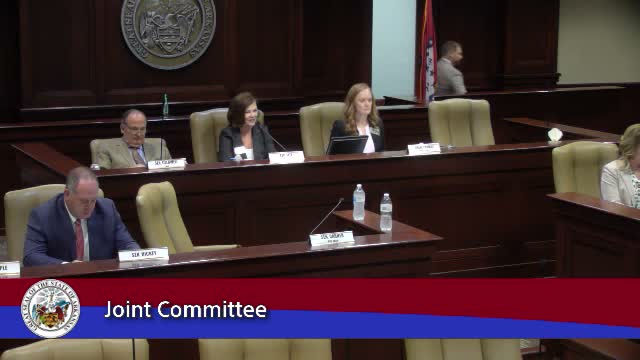
A joint Senate committee on state agencies and government affairs heard testimony on veteran suicide in Arkansas, where presenters described rising reported suicide rates and gaps in county-level services.
Senator Jason Garner (Senator Garner), who opened the meeting and described his Special Forces background, said the hearing was intended as a "table-setting" conversation and cited the frequently referenced figure that "22 veterans commit suicide every single day in the country." He urged local outreach to inform legislative solutions.
Gina Chandler, assistant director for veteran services with the Arkansas Department of Veterans Affairs, said ADVA oversees veterans homes, two state cemeteries and the Veterans Services Division that trains and supports county veteran service officers across 75 counties. "The biggest piece that's missing is the follow-up," Chandler said, describing county VSOs as "the front lines" for many veterans and saying that funding and consistent training vary by county.
Don Berry, with the Arkansas Veterans Coalition, presented state and federal data and urged a community-based public-health approach. Berry told lawmakers Arkansas had a suicide rate of about "20.8 suicides per 100,000," placed the state ninth highest nationally, and cited a VA comparison showing veterans are roughly 1.5 times more likely than nonveterans to die by suicide. Berry also said about "70 percent" of veteran suicides involve firearm injury and urged using veterans organizations as local partners.
Researchers from the University of Arkansas for Medical Sciences and the Central Arkansas Veterans Healthcare System—Angie Wolisky, Sarah Landis and Leslie Fiskin—told the committee Arkansas lacks access to mental health and primary care in many rural areas and only recently enrolled in the National Violent Death Reporting System, which affects how trends are counted. "It takes a collaborative community health approach," Wolisky said, adding that the VA and UAMS support shared strategies and technical assistance.
Members pressed witnesses on specific gaps and possible legislative responses: funding for county VSOs, data collection on monthly VSO traffic, training for community providers to ask about military service and marketing to increase enrollment in Veterans Health Administration care for eligible veterans. UAMS researchers recommended a task force to inventory existing resources and pursue federal grant opportunities such as the VA pilot programs and the SAMHSA governor's challenge.
Senator Garner said his next steps include holding community study meetings across the state (El Dorado was mentioned as a likely next stop) to gather local input and help veterans sign up for VA health care where eligible. The chair closed the hearing after announcing a scheduled contract review with Optima related to aging and home health services.
The committee did not take formal votes on legislation at the hearing; presenters and members agreed to pursue follow-up data and community meetings to inform any future bills.