Get Full Government Meeting Transcripts, Videos, & Alerts Forever!
Get email alerts on the Board Cleanup topic
No spam. Unsubscribe anytime.
Committee advances bill to abolish inactive state boards and commissions
Summary
Senator Jane English's bill to abolish inactive state entities and transfer their functions to active agencies was amended and advanced by the committee after questions about which advisory bodies would be absorbed and where funds and duties would go.
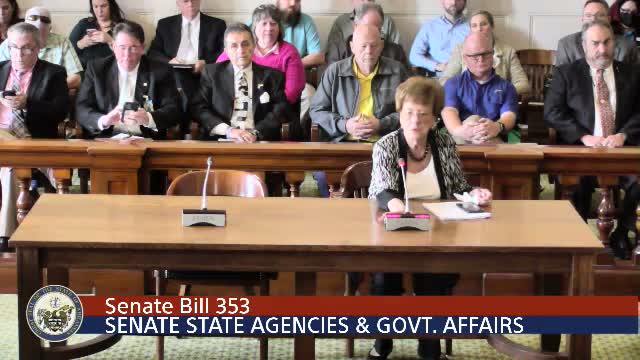
The Senate State Agencies & Govt'l Affairs committee advanced SB 356 after adopting an amendment and hearing brief discussion. Senator Jane English, sponsor of SB 356, said the bill deletes a list of inactive boards and commissions (more than 350 were reviewed by the bureau) and moves their functions to appropriate agencies including the Department of Education, Department of Parks and Tourism and Game and Fish Commission.
English said the amendment added the optometric association language to a section permitting secondary schools and the Department of Education to work together on training and nursing provisions. Committee members asked detailed questions about specific advisory committees named in the bill, including an academic facilities oversight committee and the Arkansas Natural and Cultural Heritage advisory functions; English and other witnesses said the committees’ recommendations had been folded into the relevant departments and that some advisory bodies had not met in over a year.
After questions about where recommendations and project‑selection authority now reside, the committee closed debate. Motion to advance the bill as amended was made by Senator Paton, seconded by Senator Dodson; the committee approved SB 356 by voice vote and moved it forward to the next stage.
Committee members requested continued communication from the receiving agencies about how advisory duties and any associated funds would be administered after the transfers.