Get Full Government Meeting Transcripts, Videos, & Alerts Forever!
Get email alerts on the Sb71 topic
No spam. Unsubscribe anytime.
Stakeholders urge study as Senate amends SB 71 to delay implementation
Summary
Senate committee added a two-year implementation timeline and six-month ALC reporting requirement to SB 71; business and advocacy groups and civil‑rights advocates testified that the amendment may not address drafting gaps and urged an interim study to assess social and economic impacts.
Sen. Dan Sullivan (District 20) introduced an amendment to Senate Bill 71 that preserves the bill’s substance but adds an implementation timeline of up to two years and requires agencies to submit compliance plans and six‑month reports to the ALC.
The amendment’s sponsor said the change is intended to give agencies time to plan and to allow the legislature to question agency timelines and limitations. ‘‘All it does is provide a timeline for implementation,’’ Sullivan said during committee remarks.
Several witnesses urged caution. Annabeth Gorman, CEO of the Women’s Foundation of Arkansas, told the committee the amended timeline still risks unintended consequences for women‑ and minority‑owned businesses that rely on state programs and certifications. ‘‘Enacting this overnight has implications not only on our small business economy… but it has a whole host of implications on our quality of life,’’ Gorman said, adding she supported either more time or an interim study.
Vernice Nazare, representing Women and Minority Incentives and related groups, said she found no clear economic‑impact studies for the proposed changes and expressed concern that ambiguous language and possible misdemeanor provisions could deter program activity or campus‑hosted training. She cited media reports and publicly available research on higher education outcomes in other states as part of her testimony but said the economic evidence specific to the bill’s scope was limited.
Kwame Bridal Bey of the Arkansas Public Policy Panel and a lifetime NAACP member said stakeholders understood the sponsor’s intent differently from the bill’s language, and he urged an interim study to examine the bill’s social and economic impacts. Bridal Bey suggested redrafting or strengthening the legislation that the bill references (which he identified as the ‘‘Veil Rights Act of 1993’’ in testimony).
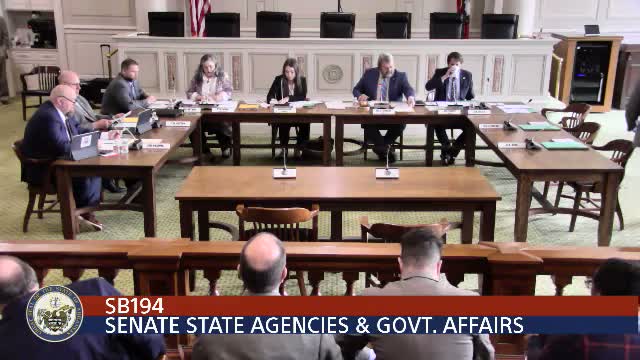
Committee members asked procedural questions about engrossment and public availability of the amendment. Staff said the amendment would stay in committee folders and would not be posted publicly until engrossed unless the sponsor requested otherwise. The committee later agreed to expunge a prior committee vote to allow the amendment to be engrossed. The chair recessed the committee and said senators and members of the public who had signed up would be welcome to return to continue testimony.
The committee did not take a final floor vote on the underlying measure during the session recorded in the transcript. The record shows public testimony opposing the amended bill and multiple requests from witnesses and members for additional study or drafting adjustments before final action.