Get Full Government Meeting Transcripts, Videos, & Alerts Forever!
Get email alerts on the HB1763 topic
No spam. Unsubscribe anytime.
Senate committee reviews 2,049‑page consolidated bill and BLR spreadsheet; no testimony taken
Summary
The Senate State Agencies Committee spent a session reviewing a Bureau of Legislative Research spreadsheet that maps changes in a consolidated bill (House Bill 1763), discussed technical fixes and proposed amendments, and set a schedule for continued review; members flagged several substantive policy edits for follow-up.
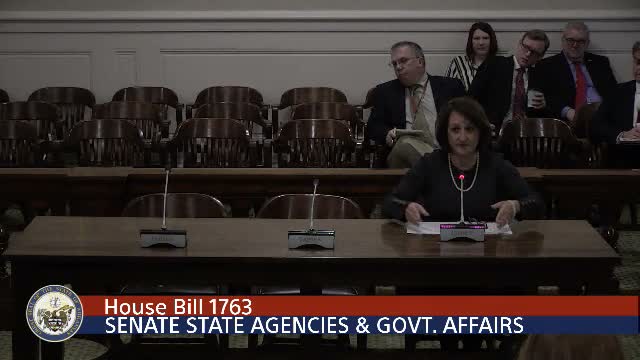
The Senate State Agencies & Governmental Affairs Committee met to discuss a consolidated package of previously separate measures now combined as House Bill 1763, and staff from the Bureau of Legislative Research walked lawmakers through a spreadsheet summarizing agency comments, requested corrections and bond‑lawyer suggested language.
Martie Garrity of the Bureau of Legislative Research told the committee the document lists each code section affected, notes where language was moved, combined or deleted and includes three attachments: Attachment A, which tracks sections moved or reorganized; Attachment B, requested by Senator Hickey, that identifies where the phrases "in consultation" or "with advice and consent of" appear; and Attachment C, which contains suggested technical edits from bond attorney Shep Russell designed to prevent unintended impacts on existing or future bond issuances.
"Per the request of this committee, the attached long spreadsheet lists the comments that were made in this committee as well as comments made by state agencies," Garrity said, describing where members can find the new page numbers and whether suggested changes were made.
Chair opened the meeting by noting the consolidated bill totals 2,049 pages and asked the committee to begin with page 1, line 1. Lawmakers agreed the session would be for discussion only and that the committee will not take public testimony at this time.
Committee members spent much of the meeting asking procedural and textual questions — how the spreadsheet maps to the bill (code sections versus the bill's new page numbers), whether all substantive changes were captured and whether staff could reformat the material by page number to avoid extensive flipping. Garrity agreed to reissue a page‑ordered version by email and provide printed copies for the next meeting.
Lawmakers discussed process and timing for amendments. The chair and other members said they plan to meet at 7:30 a.m. Tuesdays and Thursdays to work through the bill with the goal of having amendments placed in committee so the measure can be positioned for floor action in coming weeks. Sponsors emphasized they hoped to keep amendment packages limited to necessary cleanups but acknowledged some members may need discrete policy amendments.
Members also flagged items that may require explicit notice to the full Senate when the bill reaches the floor — substantive policy shifts such as certain agency authorities and fund reassignments that had been changed during consolidation. The committee recessed with plans to reconvene at 10:00 and to continue the review at subsequent early‑morning sessions.
The committee took no votes and recorded no formal motions during the meeting; staff and members agreed to continue refining language and to circulate updated materials in advance of the next meeting.