Get Full Government Meeting Transcripts, Videos, & Alerts Forever!
Get email alerts on the Elections topic
No spam. Unsubscribe anytime.
‘Arkansas Integrity Act’ stalls in committee after hours of testimony over emergency takeover powers and constitutional concerns
Summary
SB 556, which would let county election commissions in larger counties request State Board intervention in narrowly defined emergencies, failed in committee after extended testimony including lawyers and county officials who raised constitutional and funding concerns; sponsor defended the bill as a due‑process stopgap.
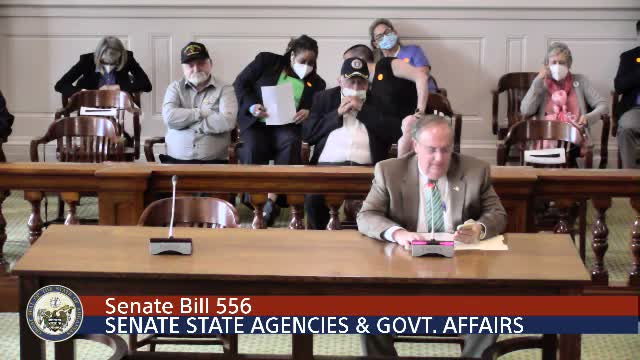
Senator Mark Johnson opened for sponsor remarks on SB 556, the Arkansas Integrity Act, describing the measure as a narrowly drawn, temporary mechanism to allow county election commissions in counties over 50,000 population to request the State Board of Election Commissioners to run an election in exceptional emergency circumstances.
During a lengthy committee exchange, legal and local election officials raised questions about constitutional conflicts and funding authority. Jennifer Wamack Standefer, an election lawyer who said she has advised parties across multiple counties during recent election cycles, told the committee she believed portions of the bill raise serious legal questions under Amendment 14 and Amendment 55 and that relevant case law (cited in testimony) does not conclusively resolve who controls funding, hiring or firing of personnel in a state takeover scenario. "The problem keeps coming up mostly in one of two situations," she told members, and argued the draft needs clearer definitions of emergency and financial authority.
Other witnesses included the League of Women Voters (Nell Matthews), county clerks and county judges (Doug Curtis and others) and the Association of Arkansas Counties (Lindsay French). Common themes from opponents: the bill covers only counties over 50,000 (leaving out other affected counties), the language is vague about what constitutes an emergency and who bears costs, and it could politicize election operations if a simple majority of a three‑member commission were enough to trigger a takeover. Several county officials urged unanimous or stronger local thresholds before state takeover options were available.
Sponsor Johnson and supporters argued the bill adds due process and multiple stopgaps (requiring two written requests to a county judge and other steps before state involvement) and is intended as a temporary, limited remedy when local structures obstruct fair elections. After extensive testimony and committee discussion, a motion to pass was called for and the committee voted; the bill failed in committee on the recorded voice vote.
What’s next: Bill proponents said they would continue work on language; opponents urged more narrowly tailored statutory fixes and pointed to other bills already advancing that address some of the issues raised in testimony.