Get Full Government Meeting Transcripts, Videos, & Alerts Forever!
Get email alerts on the Donor Privacy topic
No spam. Unsubscribe anytime.
Committee advances bill to shield nonprofit donor lists from public disclosure
Summary
Senators approved SB 5 35 to limit state agencies' ability to require or publish volunteer/supporter/donor lists for nonprofits, with exceptions for grants and fraud probes; testimony emphasized risks of harassment and chilling of speech.
Little Rock — The Senate committee voted to advance SB 5 35, a measure that would prevent state agencies from requiring nonprofits to provide donor or supporter lists beyond what state law already mandates. Sponsor Senator Bridal Davis said the bill preserves transparency while preventing agencies from imposing additional reporting burdens on nonprofits.
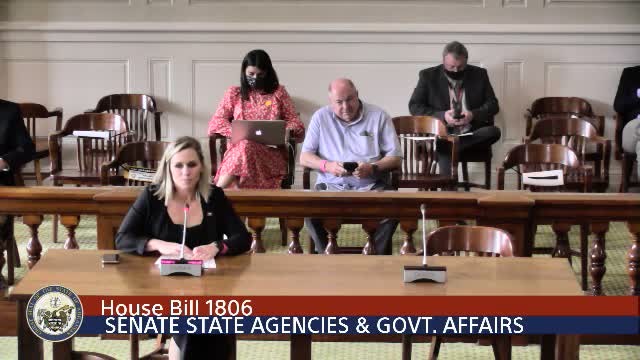
Rose Mims, executive director of Arkansas Right to Life, told the committee that donors and volunteers face harassment and intimidation when private information becomes public. "No one deserves to have their private information exposed and to be threatened because of their opinions," she said, urging senators to support the bill. The sponsor and supporters emphasized carve-outs for fraud investigations and grant or contract requirements.
Senator Davis made a personal disclosure during debate, saying he is involved in litigation over donor lists and that past litigation involving donations to a Ten Commandments monument illustrates potential harms if names are forced into public lists. "I am being sued in federal court by the American Atheists," he said, describing how donor names can be used for targeted campaigns.
Committee members asked about exceptions and the interplay with existing public-record law; the sponsor and witnesses said exceptions for fraud investigations, grants and contracts remain. The committee approved the bill on a voice vote; no roll-call tally was recorded in the transcript.
The measure will move forward to the next stage in the legislative process.