Get Full Government Meeting Transcripts, Videos, & Alerts Forever!
Get email alerts on the Early Voting Monday topic
No spam. Unsubscribe anytime.
Committee rejects ban on Monday-before-election early voting after hours of testimony
Summary
Senators debated and ultimately rejected SB485, which would have eliminated the Monday-before-election early-voting day; proponents cited administrative burdens and ballot-curing needs, while clerks, county officials and civic groups warned it would remove meaningful access for thousands of voters.
The Senate State Agencies & Governmental Affairs Committee on Tuesday considered SB485, a bill that would remove the traditional Monday-before-election as an early in-person voting day in Arkansas. Sponsors argued the change would give election administrators a full day to process absentee ballots, cure irregularities and prepare polling equipment; opponents warned it would reduce access for working and historically underserved voters.
Senator Lance Hammer presented committee handouts and National Conference of State Legislatures data showing variation among states in early-voting schedules and argued there is ample capacity across other early-voting days to absorb Monday voters. "There’s plenty of breathing room within the other 12 days to do away with Monday voting and not disenfranchise anybody's vote," he said as he described proposed cutoffs for absentee pickup and return and a requirement that absentee ballots be returned directly to a clerk’s office.
County election officials described logistical strains in large jurisdictions. Pulaski County election commissioner Christy Starr and Douglas House, who helped craft the bill, said long work days and late returns produced mistakes such as missing or unsecured ballot boxes and late-arriving provisionals. "We actually had a certified election that we didn't feel confident about the outcome because our hands were tied," Starr said, describing a pattern of operational errors she attributed to staff exhaustion and complex logistics.
Civic groups and voter-advocacy witnesses urged rejection. Laurie Evans of Indivisible Little Rock emphasized that Monday is the final opportunity for many voters with inflexible schedules; she cited state-level figures showing tens of thousands of Arkansans used that Monday in the last general election. "We do oppose SB485," Evans said, pointing to data that 51,479 Arkansans voted on that Monday in the last cycle and that elimination would shift large turnout to election day.
Miriam Dominguez of Arkansas United, which does outreach to Latinx voters, said Monday voting is a "crucial" access point for working communities who often cast ballots late in the early-voting period.
Committee members wrestled with competing concerns: the need to protect ballot integrity and give staff time for processing versus the priority of preserving voter access. Several rural-county members said their clerks depend on Monday voting and that turnout patterns vary by county.
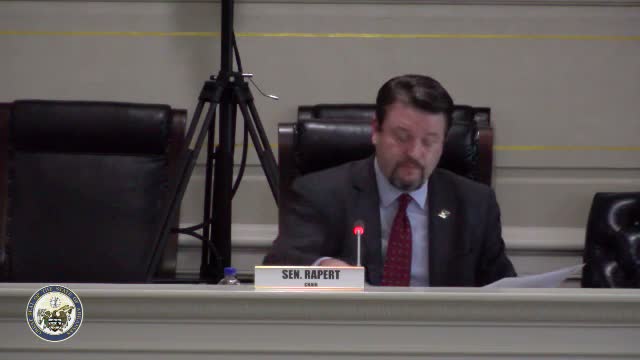
After extended questioning, public comment and closing remarks from both sides, the committee voted. The motion to pass SB485 failed on recorded voice; members later moved and passed a motion to expunge the failing vote from the record.