Get Full Government Meeting Transcripts, Videos, & Alerts Forever!
Get email alerts on the Voting Access topic
No spam. Unsubscribe anytime.
Committee fails to advance bill to remove Arkansass six-person assister cap
Summary
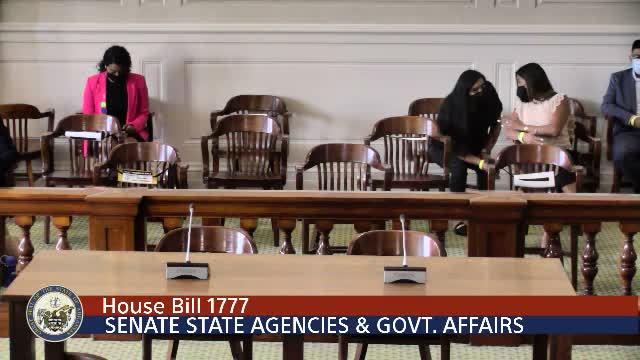
A bill to eliminate Arkansass six-person limit on how many voters one person may assist at the polls failed in committee for lack of a second after supporters said the cap likely conflicts with the Federal Voting Rights Act and witnesses described language- and disability-related access problems.
Senator Tucker introduced SB230 to remove the states statutory six-person cap on the number of voters one person may assist at a polling place, arguing the restriction likely conflicts with the Federal Voting Rights Act and makes it harder for voters who need help marking or understanding ballots to cast their votes.
Supporters told the State Agencies & Governmental Affairs committee that the cap affects voters who need interpreters, translation or assistance because of blindness or literacy challenges. Maria Aguilar, accompanied by interpreter Mireya Wright, said language barriers had hindered people she knows from voting; Michael Thornton, a self-advocate with disabilities, said voters should be able to choose the support person who helps them at the polls.
Sponsor remarks and committee questions focused on safeguards. Members asked whether removing the cap would allow candidates or outside volunteers to assist unlimited voters and whether poll workers could still observe to prevent undue influence. Senator Tucker pointed to bill text that keeps a consanguinity restriction for candidates in one place in statute and emphasized that assistance rights apply only to voters who are unable to mark or cast a ballot without help.
Tucker cited a pending lawsuit and a judges earlier opinion suggesting the cap was likely inconsistent with federal law. He moved to pass the bill, but the motion failed for lack of a second and SB230 did not advance out of committee.
The committee record shows proponents emphasized access for limited-English voters and people with physical, sensory or cognitive disabilities, and witnesses described practical burdens when multiple voters at a single polling place need assistance. Opponents and some members voiced concern about potential openings for ineligible people to provide assistance and asked whether separate statutory language would better fit language-access provisions rather than the statute titled "Assistance to Voters with Disabilities." The committee did not take a roll-call vote.