Get Full Government Meeting Transcripts, Videos, & Alerts Forever!
Get email alerts on the Elections Polling Access topic
No spam. Unsubscribe anytime.
Senate panel narrows '100-foot' polling-zone bill after mixed testimony; measure passes
Summary
The Senate State Agencies & Govt'l Affairs Committee passed SB486 to bar people from entering or remaining within 100 feet of a primary exterior polling entrance except for lawful purposes, after election officials described blocking, tables and alleged harassment and civic groups warned it could curtail benign civic help.
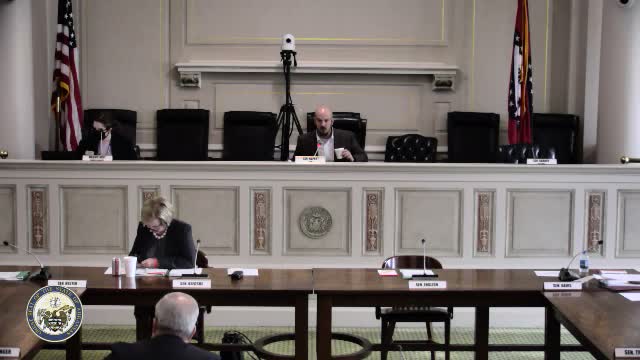
A Senate committee on Tuesday approved SB486, a bill that would bar people from entering or remaining within 100 feet of a primary exterior entrance to a polling place unless they are there for a lawful purpose.
Sponsor Senator Lance Hammer said the provision is intended to protect voters and preserve unobstructed access to polling entrances. "A person shall not enter or remain in the area within a hundred feet of the primary exterior entrance to the building where voting is taking place except for a person entering or for lawful purposes," Hammer told the committee as he outlined the bill's text and examples of conduct it would prohibit.
Pulaski County election officials described situations they said have motivated the change. Christy Starr, chairwoman of the Pulaski County Election Commission, and Douglas House, deputy attorney general who has worked with county commissions, told the committee they had received repeated complaints that individuals or groups had set up tables and other obstructions near entrances, at times raising ADA access and voter-intimidation concerns. House said the measure aims to make the 100-foot zone's intent clear so officials and law enforcement can address conduct that "may not appear to be electioneering but in reality has introduced doubt into the process."
Opponents warned the bill's wording could sweep in benign acts. Laurie Evans of Indivisible Little Rock said a ban on "entering or remaining" could criminalize volunteers giving water to voters standing in line near a building whose footprint puts the line inside the 100-foot boundary. "SB486 just adds more regulations for unclear purpose and infringes on an individual's freedom to simply be a good Samaritan," Evans said.
Committee members pressed sponsors on drafting limits. Senator Tucker asked whether the bill might unintentionally make a poll worker or a voter waiting in a long line vulnerable to enforcement; supporters pointed to the bill's "lawful purpose" exception and said courts avoid absurd readings. "As long as you're not doing something illegal, you're allowed," one sponsor said.
After public comment and back-and-forth about examples and exceptions, the committee moved the bill and members voiced their support; the motion to pass carried on a voice vote.
The committee's action clears SB486 for the next step in the legislative process. The bill's proponents said they view it as clarifying and enforcing a boundary already intended to prevent intimidation and to protect accessibility; opponents urged more narrowly drafted language to explicitly protect charitable acts and poll-worker activity.