Get Full Government Meeting Transcripts, Videos, & Alerts Forever!
Get email alerts on the Public Records topic
No spam. Unsubscribe anytime.
Debate over anonymizing large lottery winners draws media and FOIA groups to committee
Summary
SB355 would allow winners above a stated threshold to delay public disclosure of their names for up to three years; press and broadcaster groups testified strongly against the change, citing accountability, fraud risks and impacts on creditors and child-support collection; the committee passed the bill after public testimony.
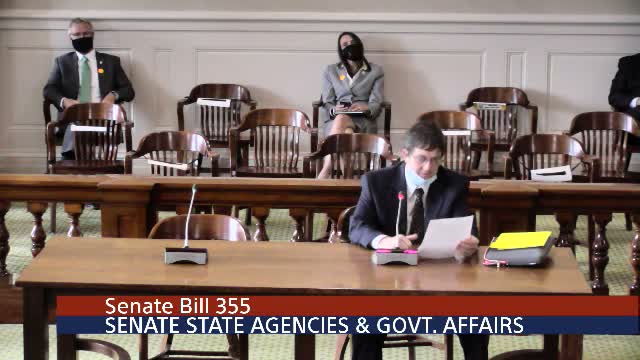
Senator Teague presented SB355, a proposal to allow lottery winners above a designated threshold to delay public disclosure of their identities for up to three years. Teague framed the bill as a privacy and safety measure for large winners, saying a longer window could help winners “get your act together.”
Aaron Sadler of the Arkansas Press Association testified against the bill, arguing anonymity raises corruption and accountability risks. "Anonymity can lead to corruption," Sadler said, citing a multistate Iowa lottery fraud case and a 2013 Arkansas lottery episode where a deputy director was accused of misconduct. He added that public disclosure serves creditors and child‑support enforcement and noted the legislatively appointed FOIA task force recommended against the bill.
Broadcaster witnesses — Kyle King of Fox 16 and Luke Story of the Arkansas Broadcasters Association — also opposed the measure, saying public transparency is essential for reporting and that current lottery practices already offer options for limited publicity when winners request it. King emphasized the news media’s reliance on public records to hold institutions accountable; Story said the existing 180‑day claim period provides winners time to arrange affairs.
Senator Teague said the bill would not force winners to remain anonymous and that winners could still choose to publicize their win; he argued the bill protects people who do not want immediate exposure. Committee members asked about mechanisms for collecting child support and debt collection; witnesses said state law provides ways to collect debts even when a winner seeks privacy.
After testimony and questions, the committee recorded a do-pass motion and the bill passed in committee; one no vote was noted in the record.